In September 2025, the political landscape was rocked when Charlie Kirk, the outspoken conservative commentator and founder of Turning Point USA, was assassinated during his “The America Comeback Tour” at Utah Valley University. His death sent shockwaves through the right-wing world, with supporters mourning the loss of a charismatic voice they saw as a champion of youth and traditional values. Conservatives warned that his legacy would inspire a new generation to carry forward his message—and in an unexpected twist, they were right, though not in the way anyone predicted.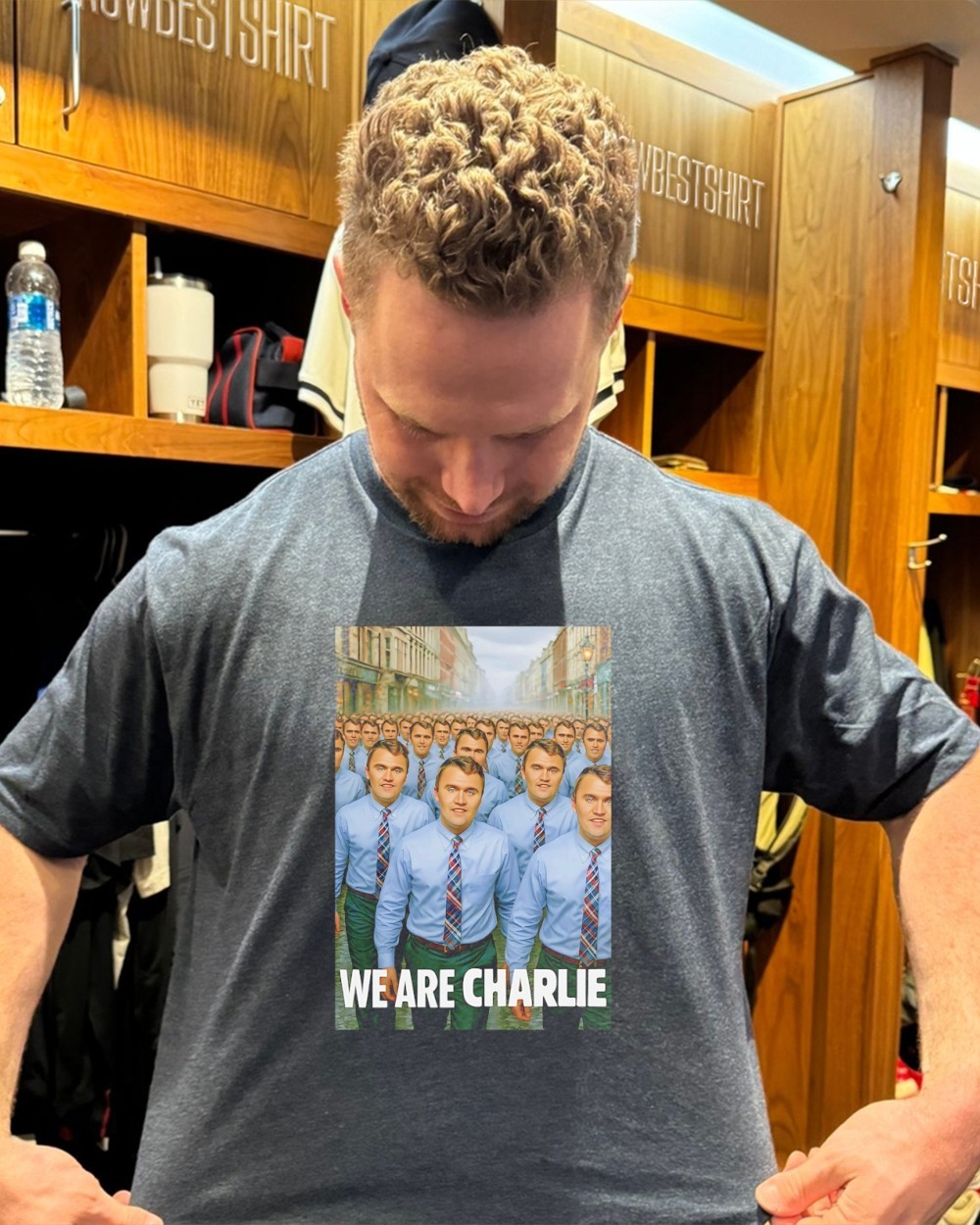
The internet, as always, had other plans. Within weeks, a subculture emerged online, wielding AI tools to transform Kirk’s image into an ever-expanding catalog of memes. Nicknamed “Kirkslop” by those both fascinated and outraged, this digital phenomenon pushed the limits of taste, creativity, and sheer absurdity. The former Turning Point USA leader has been digitally grafted onto rappers, rock stars, politicians, and cultural icons—from Playboi Carti in a 2019 music video to Rod Wave, even figures like Adolf Hitler and Anne Frank. No identity seemed off-limits.
It doesn’t stop there. In the AI-generated multiverse, Kirk has appeared as a furry in a bear costume, a secret fifth member of The Smiths, a bodybuilder, an overweight caricature, and even as pornographic personas—all mashed together in surreal, chaotic mashups. These images, shared across Twitter, TikTok, and meme forums, have transformed Kirk into a virtual shapeshifter, alternately mocking, lampooning, and satirizing him.

What makes “Kirkslop” so striking isn’t just its audacity—it’s its speed and reach. Within days, hundreds of versions circulated online, flooding feeds and prompting debates about ethics, free speech, and digital culture. For many, it’s a gleeful outlet for anti-Kirk sentiment, a way to wrest control of his image from conservative media outlets and Fox News, who had meticulously curated his posthumous persona as a martyr and cultural icon.
Yet some argue that the phenomenon has crossed into darker territory. While the memes are often humorous, their relentless nature reduces a once-serious political figure to an almost cartoonish caricature. “It’s a weird mix of tribute and degradation,” one digital culture analyst told GQ. “On one hand, it keeps Kirk alive in the public imagination. On the other, it’s a collective form of mockery that erodes the dignity of the individual, even in death.”
The movement reflects a broader trend in internet culture: AI tools are democratizing content creation in unprecedented ways, blurring the line between homage, satire, and outright chaos. In a world where anyone with basic software skills can manipulate images, even the most carefully managed legacies are vulnerable. Charlie Kirk, once a carefully branded conservative figure, has now become a fluid, viral avatar—molded by millions of hands and millions of imaginations.
For supporters, the AI memes are a reminder of his cultural relevance, proof that he remains a force to be reckoned with even after death. For detractors, it’s a cathartic exercise in dismantling his influence, pixel by pixel, frame by frame. For the casual observer scrolling through their feed at 2 a.m., it’s simply bizarre, sometimes hilarious, and occasionally unsettling.
Whatever your perspective, one thing is undeniable: Charlie Kirk’s digital afterlife has rewritten the rules of political legacy in the age of AI. No one can predict where “Kirkslop” will go next, or which identity he will assume tomorrow. But one fact remains clear—the internet refuses to let him be forgotten, even if it does so in the most chaotic, surreal, and shocking ways imaginable.
Leave a Reply