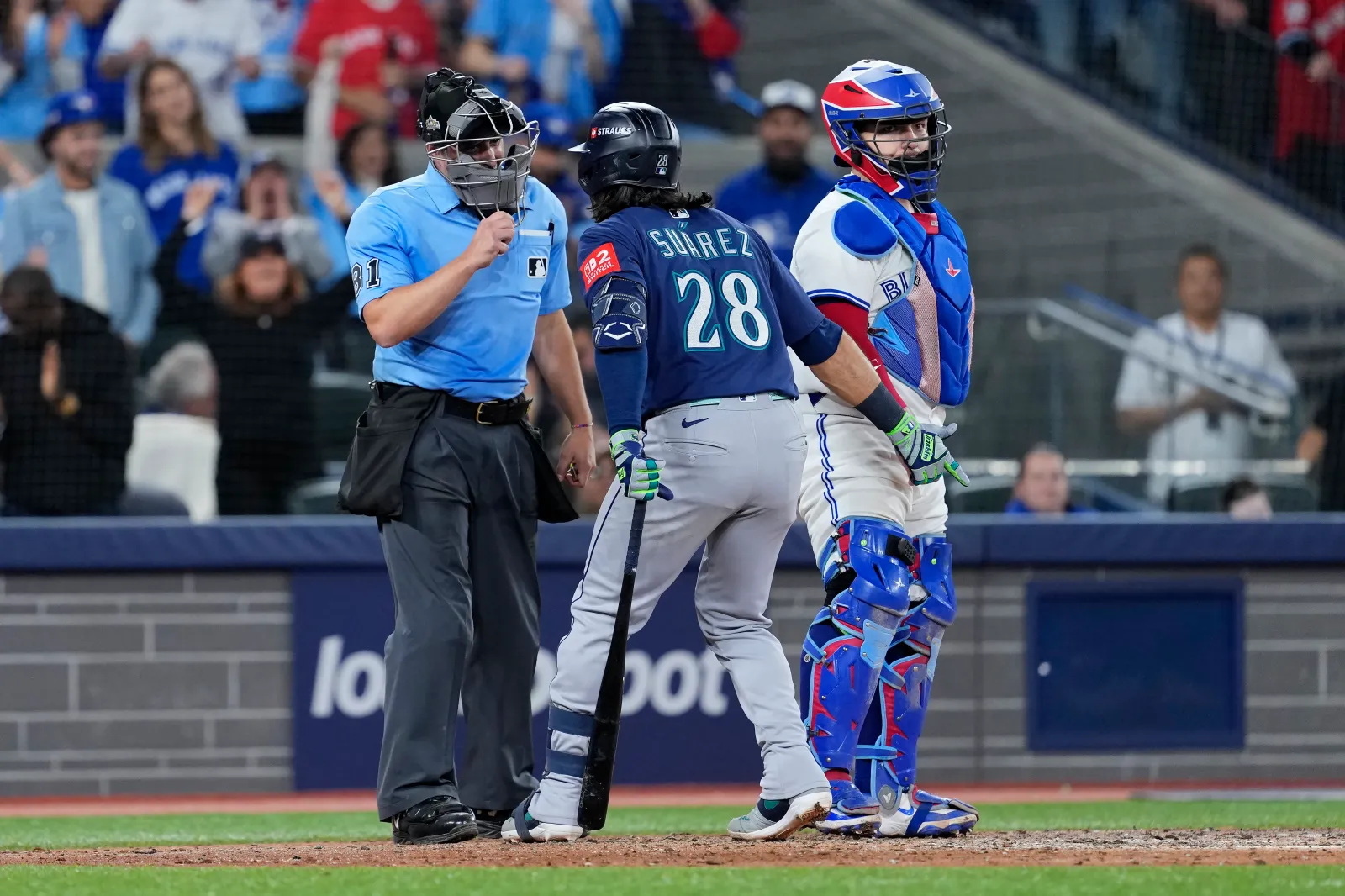
The Seattle Mariners made their intentions clear at the trade deadline when they swung a deal for Arizona Diamondbacks slugger Eugenio Suárez. It wasn’t a subtle move. It was a statement — one that said Seattle believed it was close, that the window was open, and that one more power bat could tilt everything.
Now, just months later, that belief is being tested.
Suárez’s contract expired at the end of the season, and if the Mariners want to keep one of the most dangerous power hitters in baseball, they’ll have to pay up. According to Jim Bowden of The Athletic, Suárez is projected to command a $72 million deal this winter — a number that fits squarely within Seattle’s payroll structure and, more importantly, within its competitive urgency.
And increasingly, industry voices believe the path forward is obvious.
CBS Sports’ RJ Anderson recently predicted that the Mariners will re-sign Suárez this offseason, pointing to both market dynamics and on-field reality as driving forces behind a reunion.
At first glance, the quietness of Suárez’s free-agent market feels almost surreal.
After all, this is a player who crushed 49 home runs last season, finished with a 3.6 WAR, and instantly transformed Seattle’s lineup upon arrival. In just over 50 games with the Mariners, Suárez launched 13 home runs, bringing a level of fear and protection in the middle of the order that Seattle had been chasing for years.
Yet here he is — available, unsigned, and waiting.
“Suárez homered 49 times last season, but you wouldn’t know it based on how quiet his market has been to date,” Anderson wrote. He cited familiar concerns: Suárez’s age (he turns 35 in July), his extreme swing-and-miss tendencies, and declining third-base defense.
Those concerns are real. But so is the production.
And for a Mariners team that came achingly close to the World Series, production matters more than optics.
Seattle’s offense has too often lived on the edge — streaky, vulnerable, and overly dependent on timely contributions. Suárez didn’t just add power; he stabilized the lineup. Pitchers had to respect him. Mistakes disappeared into the night. And suddenly, the Mariners looked like a team capable of punishing October pitching, not just surviving it.
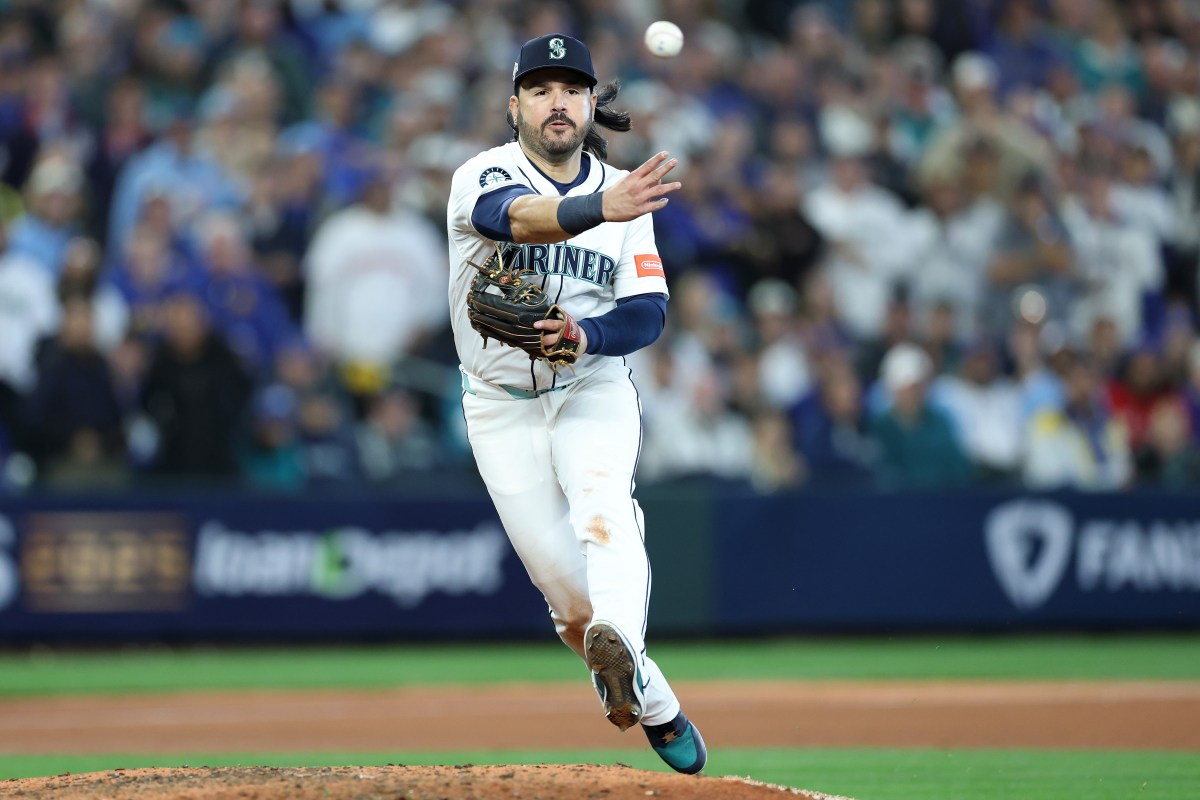
Letting that walk out the door would be a self-inflicted wound.
Yes, it’s unreasonable to expect Suárez to replicate a 49-homer season year after year. But no one in Seattle’s front office is asking for that. What they need — and what Suárez is still perfectly capable of delivering — is 30-plus home runs annually for the next three to four seasons, along with postseason-tested composure and leadership in the clubhouse.
At roughly $20 million per year, that’s not reckless spending. That’s targeted investment.
Especially when the alternatives are far riskier.
Seattle could attempt to replace Suárez’s production internally — a gamble. Or they could dive back into the trade market — expensive, unpredictable, and potentially draining prospect capital. The free-agent market offers options, but few with Suárez’s proven ability to change games with one swing.
As Anderson noted, there are other teams that could lurk. The Red Sox, should they miss out on Alex Bregman. The Cubs, if their pursuit of high-end pitching stalls. But none offer the combination of familiarity, fit, and immediate contention that Seattle does.
For Suárez, the Mariners aren’t just convenient — they’re logical.
And for Seattle, this decision goes beyond one player.
It’s about signaling intent.
After a season that ended one win shy of the World Series, the Mariners stand at a crossroads. Do they double down and act like a contender? Or do they hesitate, trim around the edges, and hope internal growth fills a very obvious power void?
Letting Suárez leave would send the wrong message — to the clubhouse, to the fanbase, and to the rest of the league.
The Mariners already know what Suárez looks like in their uniform. They’ve seen the impact. They’ve felt the difference. And they’ve watched opposing pitchers change their entire approach because of him.
In moments like this, smart teams don’t overthink.
They act.
A $72 million deal is not a burden for a team chasing a championship — it’s a commitment. And if Seattle truly believes its window is open right now, then bringing Eugenio Suárez back isn’t just the easy choice.
It’s the necessary one.
Because in October, power wins games.
And players who hit 49 home runs don’t come around often — especially ones who already know how to win in Seattle.
Leave a Reply