After the 2025 season, the Toronto Blue Jays made significant moves that reshaped the team’s pitching landscape. The acquisitions of Dylan Cease and Cody Ponce strengthened an already formidable rotation, adding depth that previously did not exist. Alongside existing starters such as Kevin Gausman, Shane Bieber, and up-and-coming prospects like Trey Yesavage, the Blue Jays now face a surplus of pitching talent, pushing longtime rotation stalwart José Berríos into an uncertain position.

Berríos, who had been a consistent performer for Toronto since his arrival, faced a challenging 2025 campaign. For the first time in his career, he landed on the injured list due to right-elbow inflammation. His performance also declined, with a noticeable drop in velocity, reduced strikeout rates, and an increase in hard contact allowed. These struggles forced the team to move him temporarily to the bullpen late in the season, signaling that his role as a dependable starter was under threat.
The situation is further complicated by Berríos’ contract. He signed a seven-year, $131 million extension in 2021, with $18.7 million owed for the 2026 season and salaries climbing to approximately $24 million annually in subsequent years. In a rotation now crowded with new talent and with luxury tax considerations looming, carrying Berríos’ contract may no longer be sustainable. Trading him could free both a rotation slot and significant payroll flexibility, allowing the team to pursue other roster priorities. However, there are challenges to finding a trade partner. Berríos has a limited no-trade clause covering eight teams, and he is only 128 days short of gaining full 10-and-5 rights, which would give him full veto power over any trade.
The Blue Jays now face several potential scenarios. In one, they could trade Berríos to a team in need of a veteran starter, possibly absorbing part of his salary to make the deal more attractive. Alternatively, if no trade materializes, Berríos could remain with Toronto in a bullpen or long-relief role, filling in as a spot starter when injuries or rotation gaps arise. There is also a chance the team holds onto him as a starter, betting on a rebound and hoping he regains his previous form, though playing time would likely be limited in an overcrowded rotation.
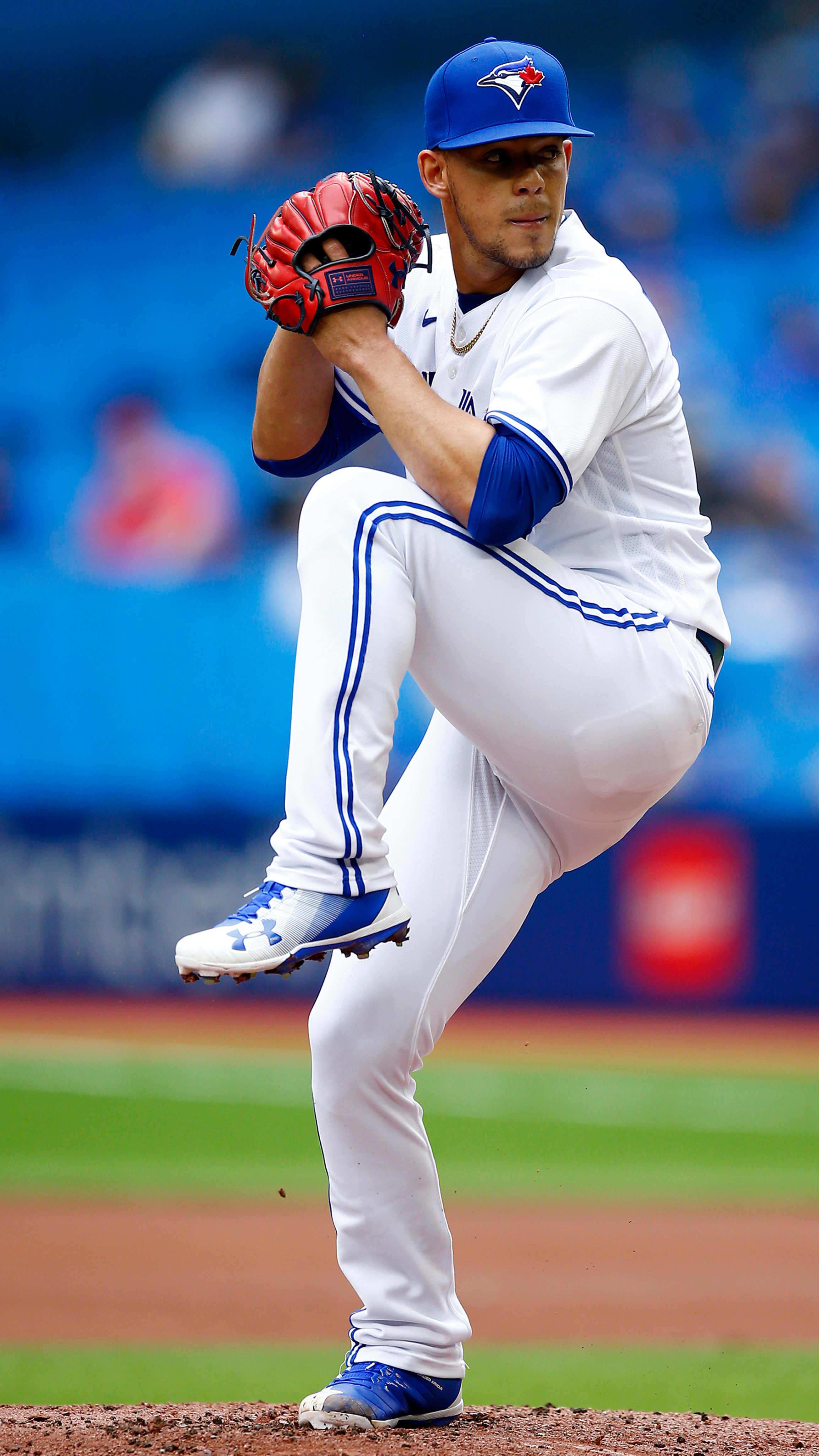
For fans, the prospect of losing Berríos marks a significant moment. He has been a durable, reliable presence in the rotation, rarely missing starts and embodying consistency over the years. His potential departure represents not just a personnel change but the end of an era. At the same time, the Blue Jays’ willingness to consider trading him reflects their broader strategy: a commitment to maximizing payroll flexibility, pursuing younger and more cost-effective pitching options, and fielding a rotation capable of contending at the highest level.
Whether Berríos stays or departs, the 2026 season will be a turning point for the Blue Jays’ pitching philosophy. A trade could provide the team with new opportunities to strengthen other areas of the roster, while retaining him would test Toronto’s ability to balance veteran experience with emerging talent. Either path signals a shift toward a more strategic and flexible approach to building a championship-caliber team, one where no veteran, regardless of past service, is immune from tough decisions.
In the end, José Berríos’ future with the Toronto Blue Jays remains uncertain. His story serves as a reminder that even the most reliable players can find themselves in unexpected positions when team priorities shift, contracts loom large, and performance challenges arise. The coming months will reveal whether Berríos embarks on a new chapter elsewhere or adapts to a redefined role in Toronto’s evolving rotation.
Leave a Reply