On December 5, a decision finally came that had eluded him during his lifetime — Gil Hodges was voted into the Baseball Hall of Fame. The Golden Days Era Committee, selecting from players whose prime came between 1950 and 1969, officially enshrined him in Cooperstown, closing a long chapter of waiting and recognition deferred.
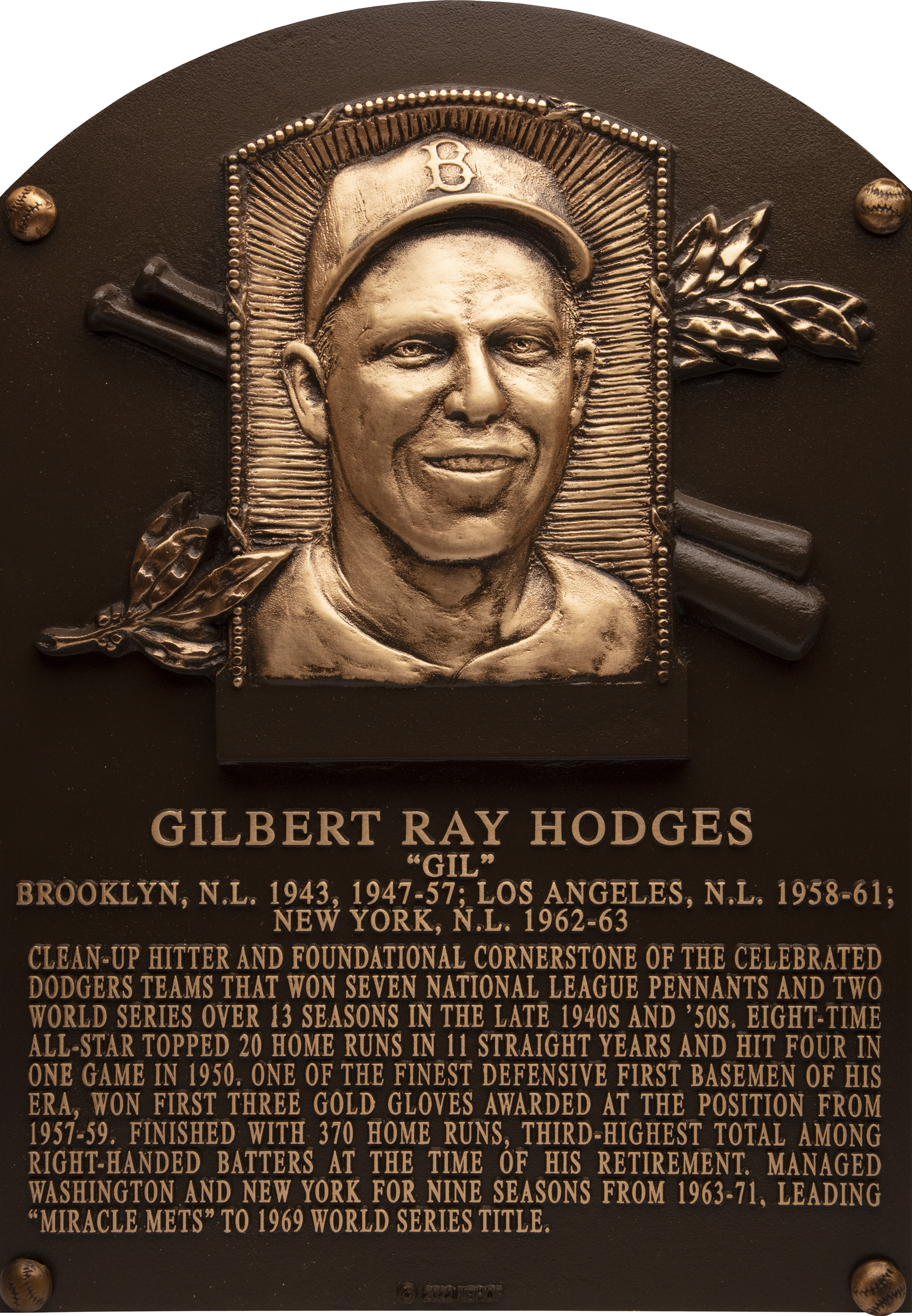
Born in Princeton, Indiana, Hodges rose to prominence as a fearsome right‑handed power hitter for the Brooklyn and later Los Angeles Dodgers, before finishing his playing career with the New York Mets. Over 18 Major League seasons, he amassed 370 home runs, 1,274 RBIs, and a .273 batting average. He was selected to eight All-Star games, won three Gold Glove Awards at first base, and consistently ranked among the top sluggers of his era.
Throughout the 1950s — an era when home runs were harder to come by than today — Hodges averaged roughly 30 homers per season, a feat that underscored how exceptional he was among his peers. On top of the power numbers, his bat‑to‑ball skills and defensive prowess made him a complete first baseman — respected not just for his slugging ability, but for being a steady, all‑around contributor.
Yet despite his impressive stats and consistent production, Hall of Fame induction remained elusive for decades. When he first became eligible in 1969, he received only 24.1% of the vote via the writers’ ballot — far from the required 75%. Over the next 15 years, his support would climb, but never cross the threshold.
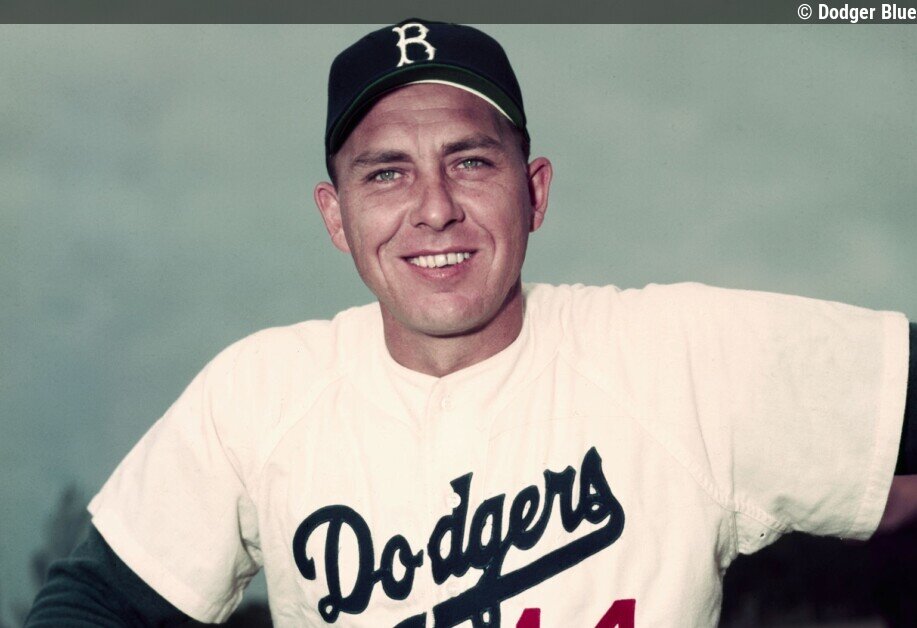
That changed on December 5 — more than half a century after his first ballot appearance — when the Golden Days Era Committee finally recognized what many fans and historians always believed: that Hodges belonged in Cooperstown. He secured at least 12 of the 16 votes necessary for induction.
Beyond his playing career, Hodges’ significance to baseball went further. After retiring, he managed the New York Mets and famously led the underdog 1969 “Miracle Mets” to their first‑ever World Series title — one of the most improbable championship runs in baseball history. That managerial success added another dimension to his legacy, showcasing his leadership and deep understanding of the game.
Supporters long argued that his dual contributions — as a powerful and dependable slugger, and later as a championship‑winning manager — made him more than deserving of Hall of Fame recognition. As former teammates and baseball voices pointed out, his consistency, professionalism, and quietly dominant presence helped shape entire teams.
With his induction — posthumous, yet triumphant — Gil Hodges joins the pantheon of baseball immortals. His election doesn’t just honor a great player, but a model of durability, leadership, and excellence across decades. In celebrating Hodges, we are reminded that sometimes true greatness isn’t just defined by peak seasons or flashy stats — but by sustained impact, respect earned over time, and a legacy that endures long after the last swing of the bat.
Leave a Reply