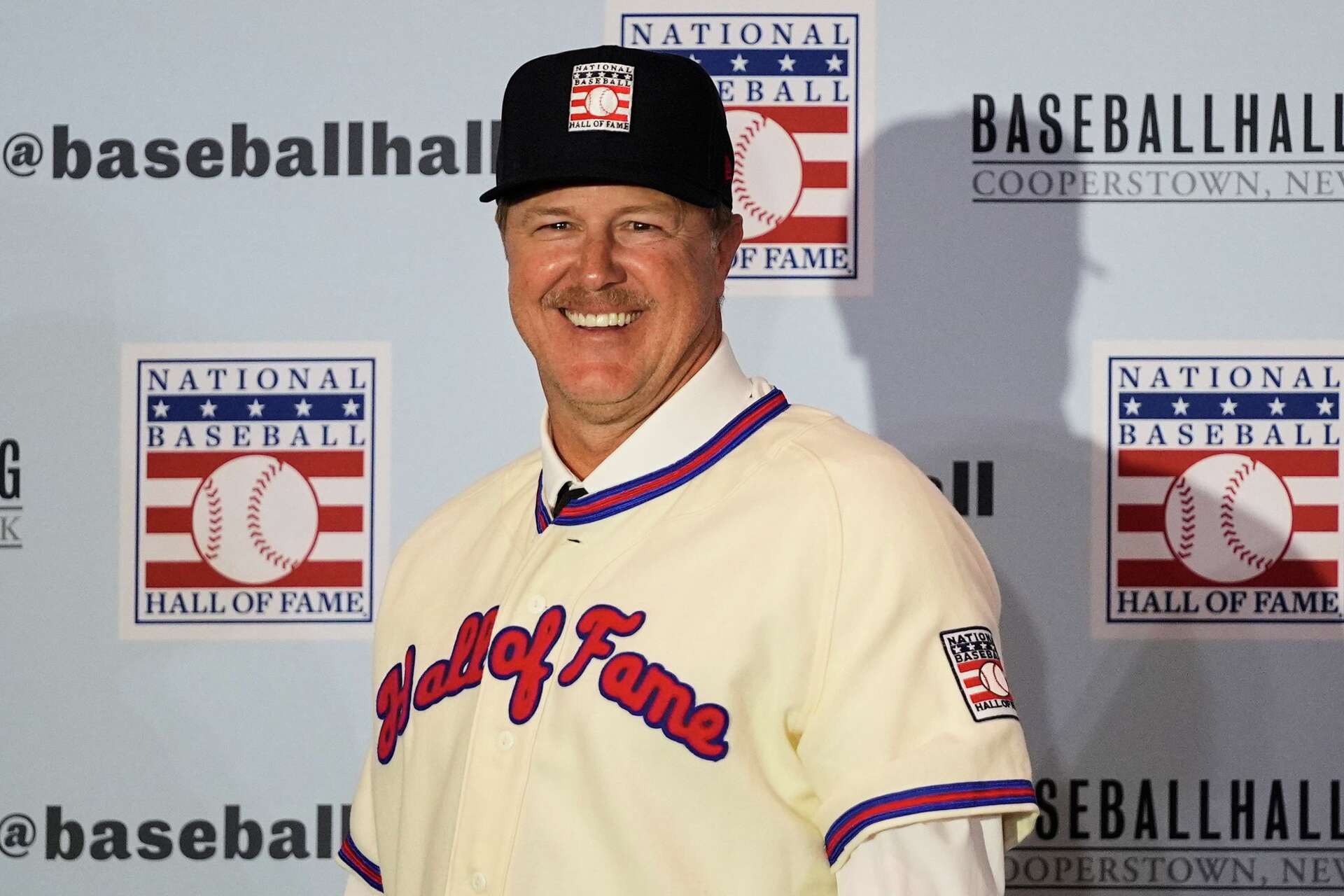
When the vote was tallied Sunday, it was clear that the baseball world had reached another defining moment. Jeff Kent — a name once overlooked by writers and analysts — emerged as the lone player honored by the contemporary-era ballot of the Hall of Fame, grabbing 14 of 16 votes and clearing the 75% threshold needed for induction. For Kent, whose career ended over 17 years ago, the call represented vindication after nearly two decades of being passed over.
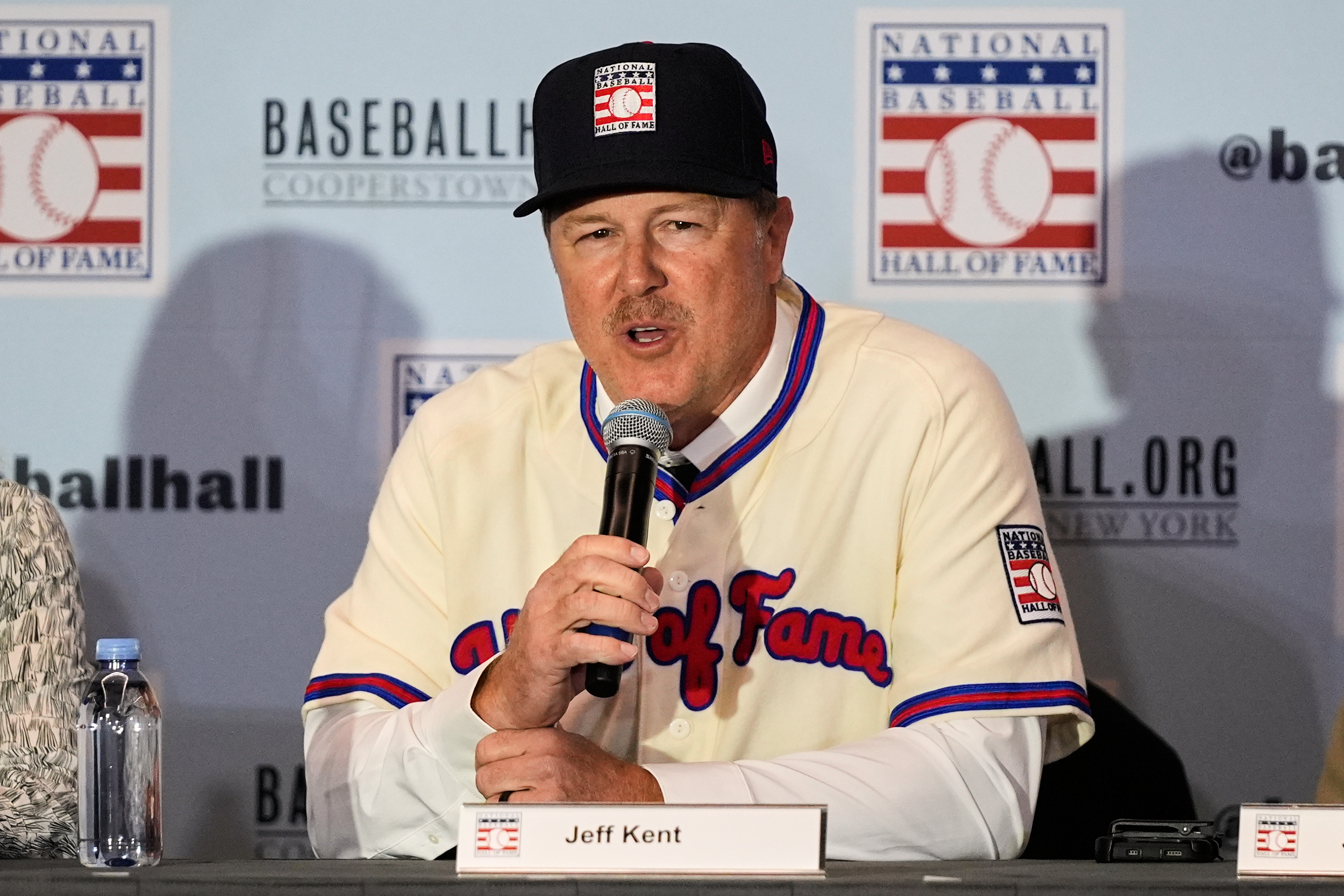
Kent’s career stats certainly make a strong case. Across 17 Major League seasons — with stops in Toronto, New York, Cleveland, San Francisco, Houston, and Los Angeles — he compiled a .290 batting average, belted 377 home runs, and drove in 1,518 runs. What stands out most is his 351 home runs hit while playing second base — the most ever by a player at that position. He was a five-time All-Star and even won the National League MVP in 2000. For a second baseman, his power numbers rewrite the record books.
Yet Kent’s road to Cooperstown was long and bumpy. On ten prior appearances to the writers’ ballot, his highest share was 46.5% in 2023 — well short of the 75% required for election. Many analysts and fans questioned whether his achievements deserved Hall status, citing inconsistencies, relative anonymity compared with more celebrated stars, and a career lacking a World Series ring. Kent himself has admitted he never won a championship — a regret he’s said he still feels.
But this year’s veterans committee — now restructured under rules adopted in 2022 — saw things differently. Their vote not only elevated Kent, but also reaffirmed the enduring effect of performance-enhancement controversies on the Hall’s gatekeeping. Alongside Kent on the ballot were several high-profile players from the steroid era, including Barry Bonds, Roger Clemens, Carlos Delgado, Don Mattingly, Dale Murphy, Gary Sheffield, and Fernando Valenzuela. Among them, Delgado came closest with nine votes; Mattingly and Murphy got six each. But Bonds, Clemens, Sheffield, and Valenzuela each received fewer than five votes — a threshold under new Hall rules that effectively bars them from appearing on the Contemporary Players ballot again until at least 2031.
For Bonds and Clemens, who between them compiled some of the most gaudy statistical resumes in MLB history — Bonds with career home run and MVP records, Clemens with seven Cy Youngs and over 4,600 strikeouts — this marks another blow to their Hall hopes. Their exclusion signals that, at least for now, the Hall remains unwilling to overlook the steroids scrutiny attached to their legacies.
In his remarks following the announcement, Kent was visibly moved. He called the moment “emotionally unstable,” saying he was unprepared for how deeply the result would hit him. He recalled hugging his wife and being overwhelmed by what the honor meant, comparing the moment with his retirement farewell. The recognition, he said, brought back years of effort, memories, and a sense of closure.
In a way, Kent’s election reflects a shift in the Hall’s lens: a willingness to re-evaluate overlooked players whose on-field achievements stack up, even if they lack the flash or controversy of more famous peers. It also reinforces the continuing divide over how to treat stars whose careers coincided with MLB’s PED era. For many fans and analysts, Kent’s induction without Bonds or Clemens is emblematic of ongoing debates: should performance and statistics outweigh ethics and suspicion? Or should the stain of steroid-era allegations forever lock some players out, regardless of their accomplishments?
As Kent’s Cooperstown plaque awaits installation in July 2026, the broader saga continues — and the Hall’s doors appear more selective than ever.
Leave a Reply