Polanco wrapped up the 2025 season with a strong bounce-back: in 138 games, he slashed .265/.326/.495, launched 26 home runs, and drove in 78 runs.That power surge and offensive consistency played a key role in driving the Mariners deep into the postseason, making him one of the most reliable bats in the clubhouse.
Such performance right after a prior underwhelming season and recovery from injury — including knee surgery — marked Polanco as a resilient veteran capable of contributing under pressure. In a season where stability and offense were needed, he delivered.
When he declined the $6 million option for 2026, Polanco became a free agent, opening the door for other teams to compete — but also offering Seattle a chance to re-evaluate.
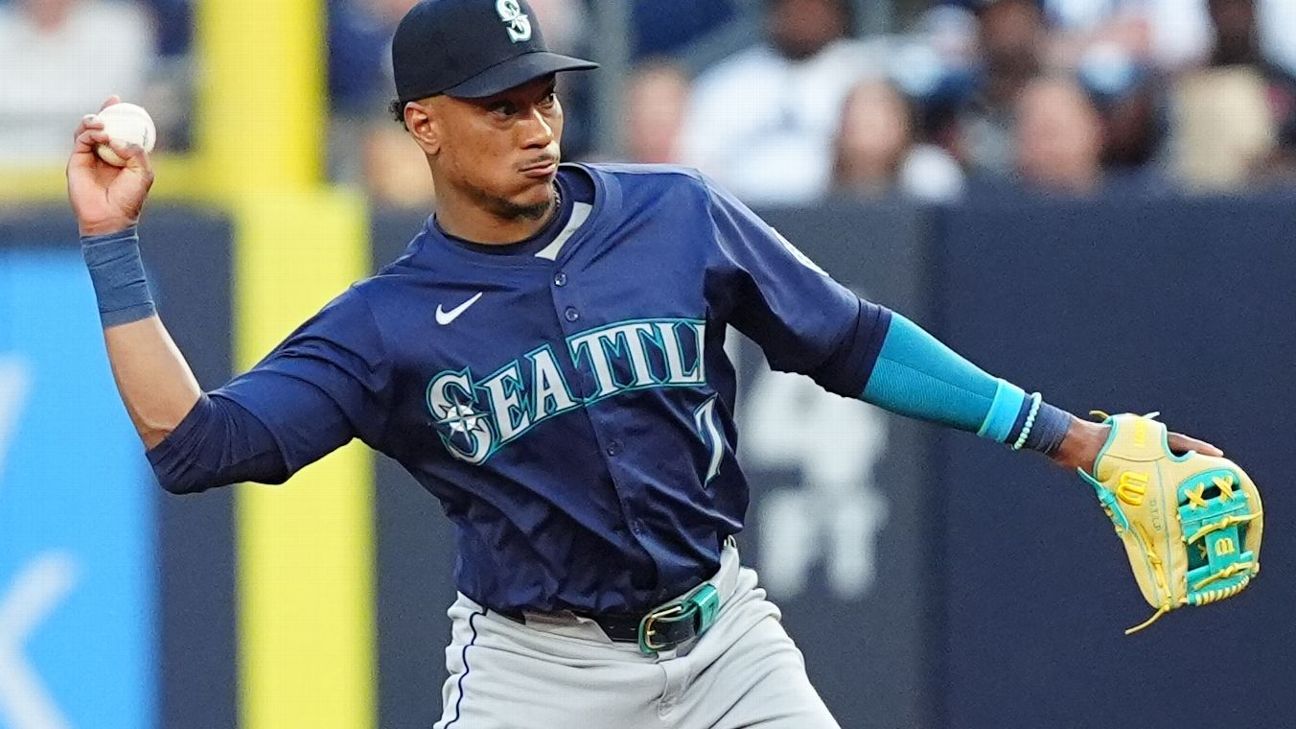
Despite free-agency freedom, Polanco has reportedly signaled a preference to stay in Seattle, hinting that he values what the club and city represent for him at this stage. While no formal deal has been announced yet, that kind of public or semi-public alignment carries weight in negotiations — both for the player and for the Mariners.
This signaling effect does more than reflect his personal desire. It also affects how other teams evaluate their pursuit of him. If front offices sense that a player prefers one destination, especially a club with payroll constraints or limited roster flexibility, they may be less inclined to push hard — believing the player may not fully commit or may demand a hometown-discount. For Seattle, this reduces competition and improves their bargaining position.
In short: Polanco’s openness about liking the Mariners could act as a soft deterrent to other suitors, giving Seattle a path to retain a run-proven bat without overpaying in a bidding war.

✅ Offensive Continuity Without Rebuilding
Polanco’s 2025 performance — power, consistency, versatility as both infielder and designated hitter — gives the Mariners a known quantity heading into 2026. Re-signing him would preserve offensive strength, avoid gaps at middle-infield / DH spots, and ease pressure on younger or unproven players.
🧠 Veteran Presence & Leadership
Having a veteran coming off a rebound season brings intangible value: experience, clubhouse leadership, and stability. For a team blending youth and ambition, that balance often matters most when playoffs loom.
💸 Cost-Effective Relative to Alternatives
Rather than chasing high-cost free agents or making risky trades, retaining Polanco — especially with his own inclination to return — could offer better value. The Mariners can control payroll, maintain flexibility, and invest elsewhere (e.g., pitching, bullpen) while keeping a proven bat.
🔄 Allows Time for Long-Term Planning
With Polanco potentially in the fold, Seattle can approach 2026 with both short-term competitiveness and long-term planning. They gain breathing room to evaluate prospects, allocate budget wisely, and build around known strengths.
Of course, no outcome is guaranteed. Polanco is now 32, and though 2025 was strong, there are lingering questions:
-
Sustainability — Can he replicate the 2025 power-hit rate? Aging hitters often fluctuate, especially after previous injury history.
-
Defensive limitations — He may serve more reliably as DH or part-time infielder, limiting defensive upside.
-
Contract demands — Given his bounce-back season, he may seek higher salary or multi-year deal, which could constrain Mariners’ payroll flexibility and roster moves.
-
Opportunity cost — Committing to Polanco may reduce ability to develop younger internal players or pursue other free agents.
The front office will need to balance these trade-offs carefully.
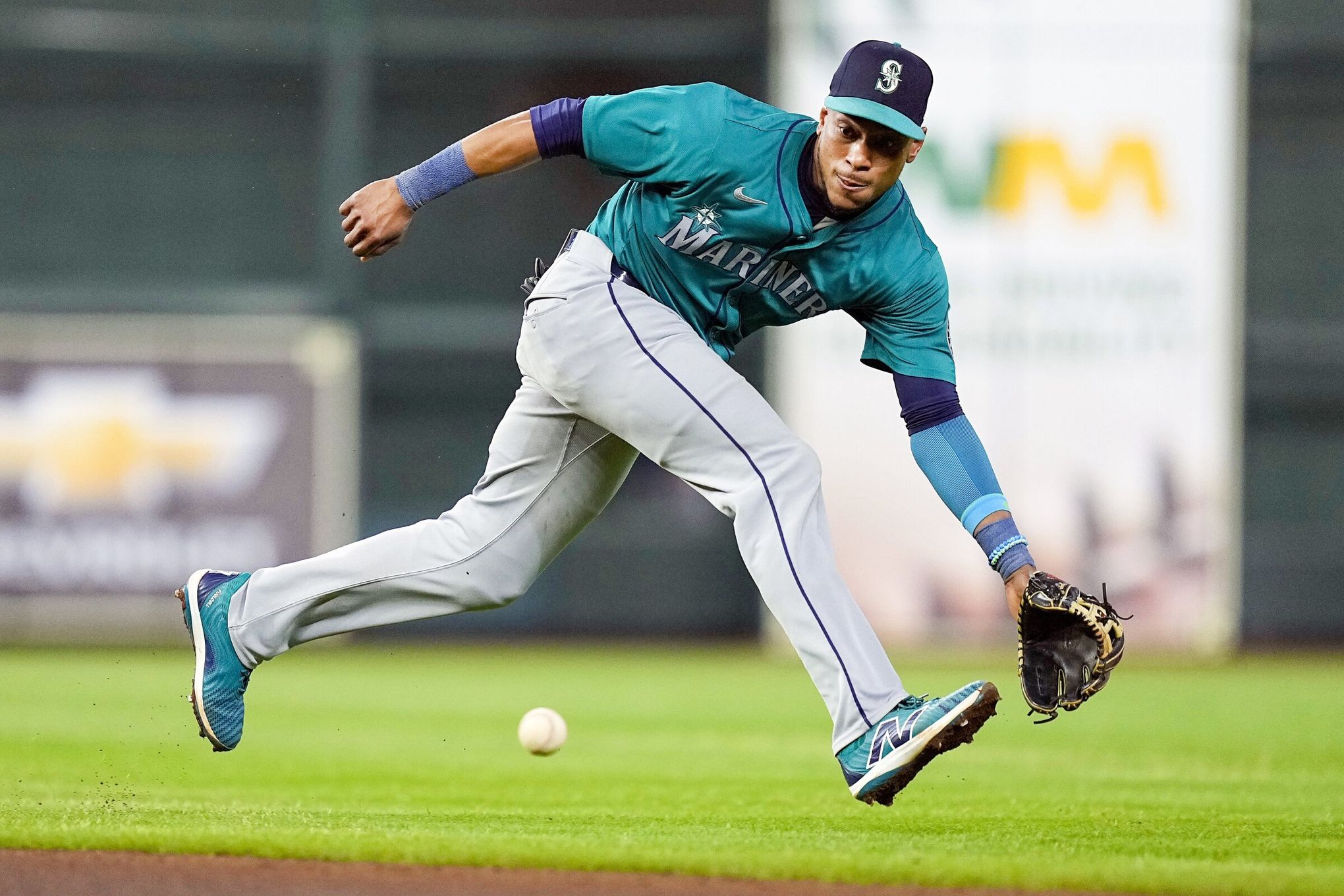
Assuming negotiations go smoothly and Polanco returns, Seattle could start 2026 with a lineup featuring a mix of emerging youth and proven veteran performance. That hybrid — upside + reliability — may give the Mariners the depth and flexibility required for a long, competitive season.
If Polanco isn’t re-signed, or leaves, the Mariners would have to fill significant offensive holes, likely turning to untested prospects or mid-tier free agents. That path introduces more uncertainty and may require more aggressive signings or trades.
Polanco’s hint of loyalty thus represents more than just personal preference — it’s a strategic lever. If Seattle plays its cards well, this offseason decision could quietly become one of the most important moves they make.
Leave a Reply