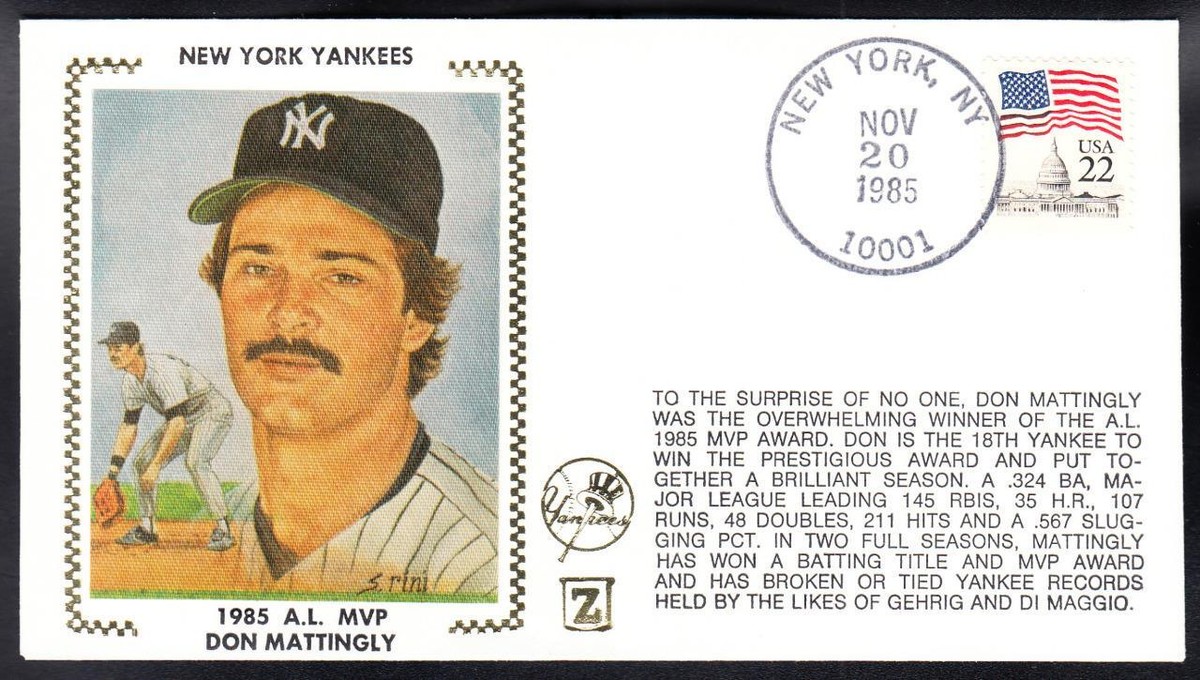
Don Mattingly, nicknamed “Donnie Baseball,” debuted with the New York Yankees in 1982 and quickly became one of the game’s premier hitters. Over 14 seasons — all with the Yankees — he amassed a .307 batting average, 2,153 hits, 222 home runs, and 1,099 RBIs. Mattingly’s peak years, particularly from 1984 to 1989, showcased exceptional hitting, defensive skill at first base, and leadership on the field. He earned six Gold Gloves and was named American League MVP in 1985.
Despite these accolades, Mattingly’s career was curtailed by back injuries, forcing him to retire in 1995, just before the Yankees’ late-’90s dynasty. This premature exit limited his counting stats — a crucial factor for Hall of Fame voters. Many analysts argue that while Mattingly’s peak was extraordinary, the brevity of his career prevents him from reaching the milestones often associated with Cooperstown induction.

Mattingly first appeared on the writers’ Hall of Fame ballot in 2001. Over 15 years of eligibility, his highest vote share was 28.2%, far below the 75% required. This sparked debate about the balance between career longevity and peak performance. Despite the disappointment, Mattingly remained a fan favorite and a symbol of Yankees baseball in the 1980s.
With the introduction of the Contemporary Baseball Era Committee, players who have exhausted writers’ ballots but retired in the modern era are reconsidered. Mattingly’s 19th bid was conducted through this committee, which evaluates candidates based on career impact, contribution to the game, and overall merit.

The 2025 Contemporary Era Committee ballot included Mattingly alongside high-profile names such as Barry Bonds, Roger Clemens, and Jeff Kent. Committee members — including Hall of Famers, executives, and historians — could elect up to three players, with a minimum of 75% (12 of 16 votes) needed for induction.
Mattingly, widely praised for his peak performance, received just 6 votes, well short of the required 12. This result marked another setback in his long journey, highlighting the committee’s continued hesitation to honor a player whose career, while brilliant at its best, lacked extended accumulation.
Several factors contributed to Mattingly’s repeated denials:
-
Shortened Career: Back injuries limited his playing years, preventing him from achieving traditional milestone stats like 3,000 hits or 500 home runs.
-
Emphasis on Longevity: Modern Hall of Fame voters often prioritize sustained excellence alongside peak performance, which works against candidates with shorter careers.
-
Competitive Ballot: The 2025 ballot featured other players with long, decorated careers, forcing voters to choose among multiple worthy candidates.
While some fans argue that Mattingly’s peak performance alone warrants induction, the Hall of Fame historically values both peak and career totals, leaving Mattingly in the “almost Hall-of-Famer” category.
Though Cooperstown remains elusive, Mattingly’s impact on the Yankees and baseball is unquestionable. He continues to serve in coaching roles, including a tenure as the Toronto Blue Jays bench coach, sharing his knowledge and experience with new generations. His leadership, professionalism, and consistent excellence during his playing days have left an indelible mark on teammates, fans, and the sport.
Mattingly’s case reignites ongoing debates about Hall of Fame criteria. Should a player’s extraordinary peak be sufficient, or must career totals and longevity weigh more heavily? While some voters strictly adhere to milestone metrics, others celebrate peak dominance, leaving Mattingly perpetually caught in between.
His story is a reminder that greatness in baseball can be measured in more than just numbers — in moments of brilliance, leadership, and lasting influence on the game.
Though his 19th bid ended in disappointment, Mattingly remains eligible for future Contemporary Era Committee consideration. His legacy as a Yankees icon and revered player is secure, regardless of Hall of Fame status. Fans will continue to debate his place among the greats, celebrating both his peak years and enduring influence on the sport.
Leave a Reply