At 97, Boston Celtics Hall of Famer Bob Cousy may be well into his ninth decade, but his passion for basketball remains undiminished. Recently, Cousy turned his attention to one of the game’s brightest stars: Indiana Fever guard Caitlin Clark. The WNBA phenom has been making waves far beyond the court, and Cousy didn’t shy away from expressing his admiration—and bewilderment—at how some in the league perceive her impact.
Dubbed the “Caitlin Clark effect,” the superstar’s influence has dramatically boosted the popularity of women’s basketball, tracing back to her record-shattering collegiate career with the Iowa Hawkeyes. Fans and analysts alike have marveled at her scoring prowess, vision, and leadership on the floor. Yet, despite her undeniable talent, Clark has emerged as a polarizing figure within the WNBA, with some peers reportedly frustrated by her spotlight.
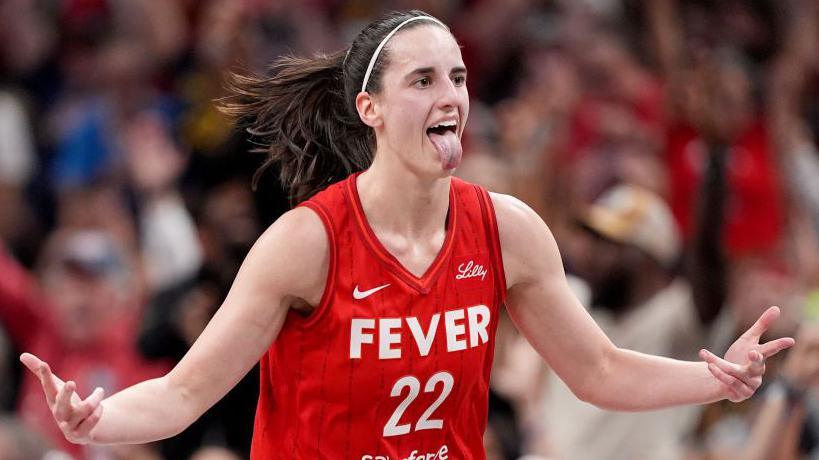
Cousy’s response was blunt. “She’s had a tremendous impact on that league and their earning potential,” he told Boston Globe columnist Dan Shaughnessy. “They should be kissing the ground she walks on, not trying to foul her and get her out of the game. It’s a saleable product and she’s done a really good job selling it. It’s enjoyable. My son-in-law is from Indiana and he’s a Clark fan. She’s exceptional.”
The Celtics legend’s comments cut straight to the heart of a broader debate: what does it mean for the league when a single player becomes its most visible and marketable star? Clark’s presence alone has drawn fans back to arenas, driven media coverage, and sparked conversations that extend far beyond basketball statistics. Cousy’s unfiltered praise serves as a reminder that talent, charisma, and marketability are inseparable in modern professional sports.

Injuries have slowed Clark this season—she has appeared in only 13 games—but her performance has still been impressive. During her rookie season in 2024, she averaged 19.2 points per game and led the WNBA with 8.4 assists per game, validating her selection as the first overall pick. Even in limited action, her influence on games and the league’s visibility remains profound.
The discussion around Clark is not just about numbers; it’s about the cultural and commercial footprint she leaves behind. Cousy, who witnessed the evolution of the NBA from its early days to today, sees in Clark a player whose significance transcends the court. In his eyes, her impact on teammates, the league, and the sport’s fanbase is monumental—and yet, it seems some in the WNBA fail to fully appreciate it.
As the Fever navigate her injury-plagued season, the question lingers: will the league fully embrace the “Caitlin Clark effect,” or will internal tensions continue to shadow one of the brightest stars in women’s basketball? For fans, the answer is critical—and everyone is watching to see what Clark will do next.
Leave a Reply