On September 7, 2017, the Cleveland Indians rolled past the Chicago White Sox 11–2, a win that felt routine at the time but would later become a snapshot of a franchise at its peak. The division title was essentially locked up. The vibes were loose. The front office used the moment to give forgotten names and fringe arms a chance to soak in the spotlight during what became win No. 15 of Cleveland’s historic 22-game winning streak.
Francisco Mejía chipped in one of his few hits in a Cleveland uniform. Erik González launched the only multi-homer game of his career. Even Craig Breslow — now the Boston Red Sox’s chief baseball officer — stepped onto the mound and fired a scoreless ninth inning, turning the night into a baseball trivia gold mine.
But before Breslow closed it out, Shawn Armstrong took the ball in the eighth inning and quietly retired the White Sox in order. One clean frame. No drama. No headlines.
For years, it looked like that would be Armstrong’s final chapter in Cleveland.
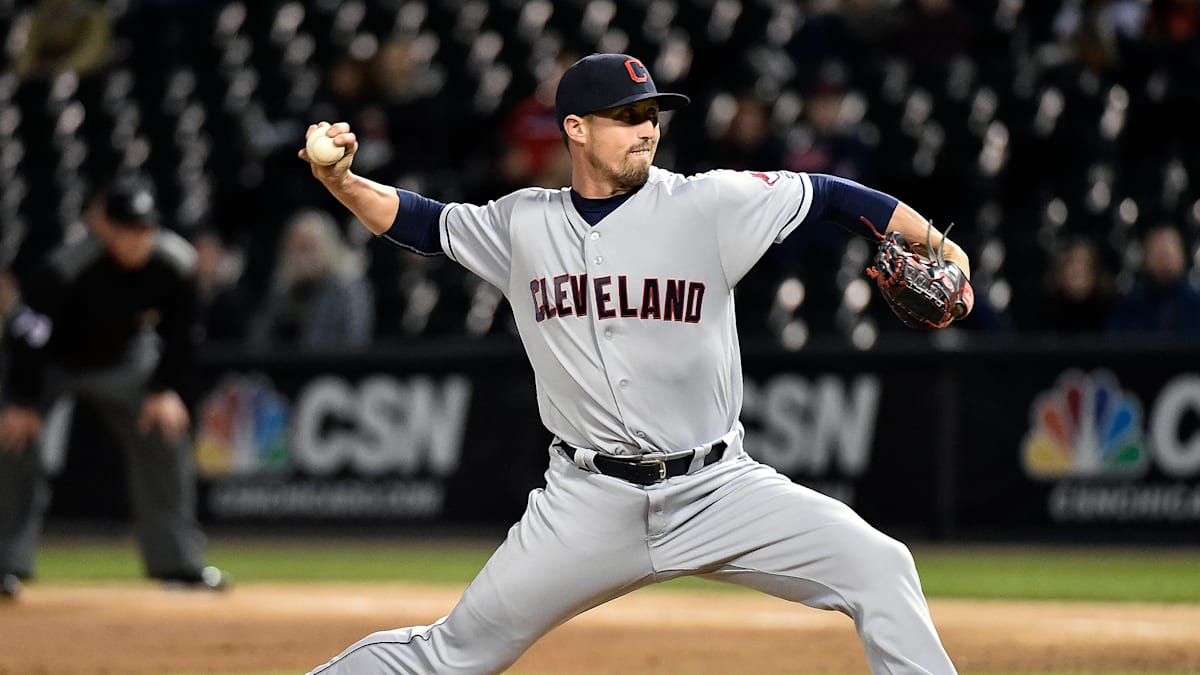
That winter, he was dealt to the Mariners for international bonus pool money — the kind of transaction that rarely lingers in memory. Armstrong drifted through the league. Cleveland moved on. The bullpen evolved, then reinvented itself again. Time did what time always does.
And now, eight years later, the story has looped back.
In a move that barely caused a ripple outside Ohio, the Guardians have signed Shawn Armstrong to a one-year, $5.5 million deal, quietly reuniting with a pitcher most fans assumed would never wear a Cleveland uniform again. At first glance, it feels redundant. The Guardians already added four relievers this offseason. The bullpen, on paper, didn’t scream for help.
Look closer — and this might be one of the smartest moves any team has made this winter.
Armstrong doesn’t come with the flash of a marquee free agent. He doesn’t carry the buzz of an Alexis Díaz or the reputation of a Robert Suárez. But production has a way of cutting through noise — and Armstrong is coming off one of the best seasons of his career.
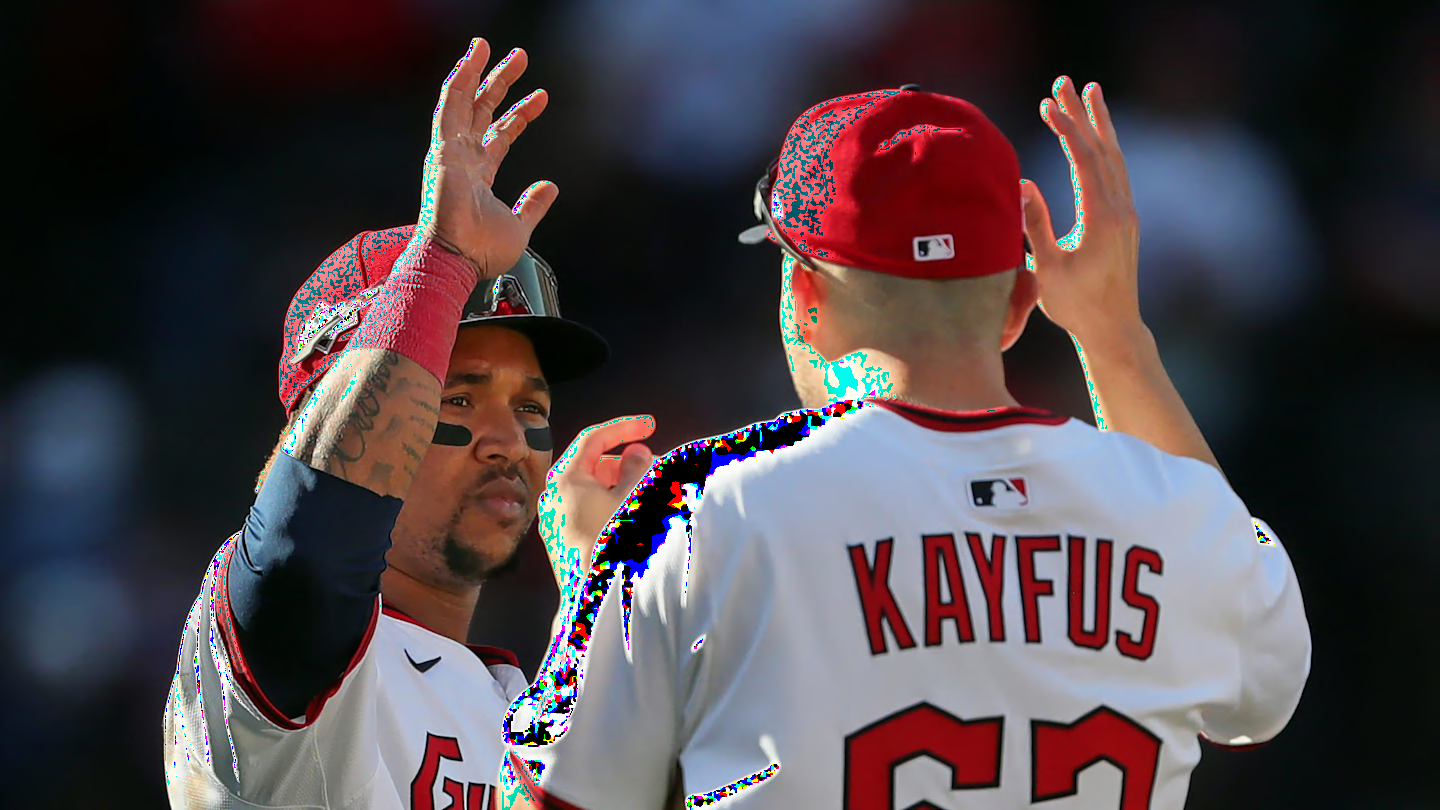
Last year, pitching for a struggling Rangers club that rarely drew national attention, Armstrong posted a 2.31 ERA across 74 innings. It was elite work, largely ignored because of the uniform he wore. Dig deeper into the numbers, and the case becomes even stronger. While his chase rate ranked in just the eighth percentile (24.4%), his ability to suppress damage was exceptional — finishing in the 91st percentile in hard-hit rate (34.2%).
Translation: hitters didn’t miss often, but when they connected, they didn’t hurt him.
That skill matters — especially in October, and especially for a Guardians team built on run prevention and precision rather than overpowering velocity. Armstrong may not rack up whiffs, but he excels at something Cleveland values deeply: getting outs efficiently.
Context matters here. This was a bounce-back year for the 35-year-old after a turbulent 2024 season in which he posted a 4.86 ERA across three different teams. Before that, though, he was dominant with the Rays, logging a microscopic 1.38 ERA over 52 innings. The volatility explains why he was overlooked. The upside explains why Cleveland pounced.
There’s also a tactical fit that can’t be ignored.
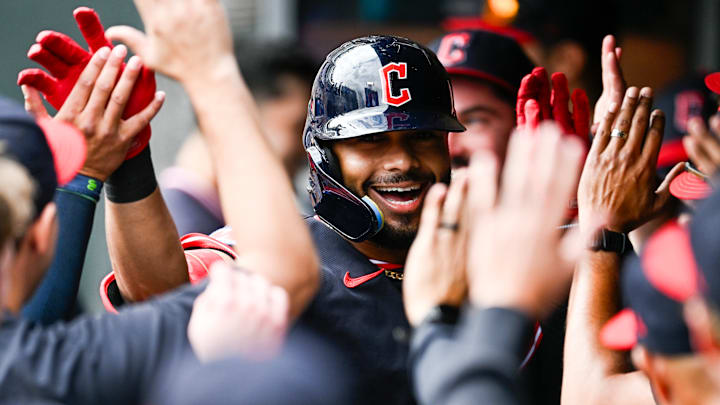
Armstrong showed strong reverse splits last season, holding right-handed hitters to a staggering .118 batting average. In a bullpen anchored by right-handers like Cade Smith and Hunter Gaddis, that flexibility becomes invaluable. He can bridge innings. He can neutralize platoon advantages. He can stabilize games before they spiral.
Among the other relievers Cleveland added, Colin Holderman and Justin Bruihl stand out as legitimate options — but neither brings Armstrong’s combination of experience, durability, and recent success. He may not have the wipeout stuff of Smith or the raw edge of Gaddis, but results don’t lie. Armstrong gets hitters out — and keeps them quiet.
All of this unfolds against the backdrop of a painful reality: the loss of Emmanuel Clase still hangs over the organization like a shadow. That void won’t be filled by one arm. It may not be filled at all. But every smart, low-risk, high-upside move matters in the transition to a new bullpen era.
That’s why Armstrong’s return feels bigger than the contract suggests.
This isn’t nostalgia. It’s efficiency. It’s a front office identifying value where others didn’t bother to look. Eight years after a forgettable eighth inning in a blowout win, Shawn Armstrong is back — not as a footnote, but as a potential pillar.
And if this quiet reunion ends up stabilizing the Guardians’ bullpen when it matters most, history may remember it as one of the offseason’s sharpest steals hiding in plain sight.
Leave a Reply