From the moment LeBron James entered the NBA, it was clear he was different. Not just talented—burdened. Burdened with expectations no teenager should carry, branded as “The Chosen One” before he had played a professional minute. History has seen prodigies before, but rarely one asked to represent an entire future. What makes LeBron’s story remarkable isn’t simply that he met those expectations—it’s that he expanded them, transforming greatness into responsibility.
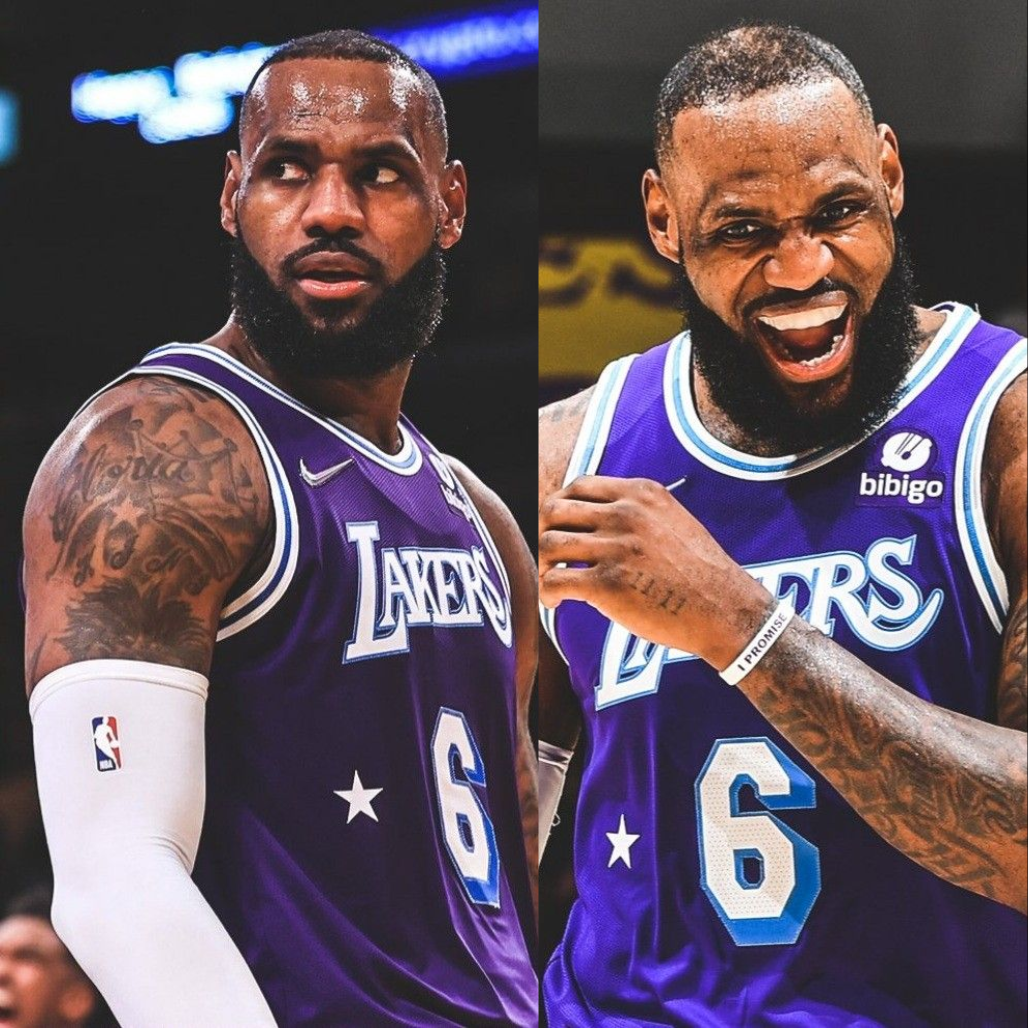
Early in his career, LeBron’s gifts were obvious. Power, speed, vision, and intelligence fused into a player who could control a game without ever forcing it. The dunks were violent, the passes surgical, the numbers historic. But even then, something else was forming beneath the surface. While others chased individual glory, LeBron was already thinking in terms of systems—teams, communities, legacies. His greatness was never inward-facing. It was outward, almost civic in nature.
As championships arrived and records fell, the spotlight intensified. With it came criticism, scrutiny, and a constant demand for perfection. Many stars shrink or deflect under that weight. LeBron leaned into it. He understood early that his voice carried power, and that silence, too, was a choice. Over time, his leadership evolved beyond locker rooms and huddles into something larger—a public responsibility to represent excellence, accountability, and possibility.
That sense of responsibility reshaped how he approached the game itself. LeBron didn’t just adapt to eras; he protected them. He elevated teammates, empowered younger players, and challenged front offices to think bigger. His teams were never accidental. They were built with intent, reflecting his belief that leadership means creating environments where others can succeed. The assist became as meaningful as the score. Longevity became a duty—to prove that excellence could be sustained, not burned out.
Off the court, that same philosophy took root. LeBron refused to separate athlete from citizen. He invested in education, built schools, funded futures, and spoke openly about injustice, knowing full well the backlash that would follow. He understood that being “apolitical” was itself a privilege—and chose instead to engage, thoughtfully and unapologetically. In doing so, he redefined what athlete activism could look like in the modern era: strategic, sustained, and deeply personal.
What distinguishes LeBron is not that he used his platform—but that he prepared for it. Every move felt intentional, from business ventures to media ownership to mentoring the next generation of stars. He didn’t just want to inspire players to play better; he wanted them to think bigger about power, ownership, and influence. Greatness, in LeBron’s world, meant leaving doors open behind him.
Even now, in the later chapters of his career, the responsibility hasn’t faded—it’s sharpened. His presence on the court is no longer just about dominance but stewardship. He models preparation, professionalism, and respect for the craft. Younger players watch not just how he plays, but how he lasts. How he adapts. How he leads without demanding the spotlight.
LeBron James didn’t redefine greatness by rejecting it. He redefined it by accepting everything that came with it. The pressure. The expectations. The obligation to do more than score points. His legacy isn’t just measured in rings or records, but in standards—standards for leadership, longevity, and purpose.
Long after the final buzzer sounds on his playing career, that responsibility will remain his greatest achievement. Because LeBron didn’t simply dominate an era—he showed what it means to carry one forward.
Leave a Reply