Hyeseong Kim never arrived in Los Angeles with the cinematic buildup that followed Roki Sasaki into Dodger blue. There were no breathless countdowns, no league-wide obsession, no immediate coronation. And yet, inside certain scouting circles, Kim’s name carried real weight. Some evaluators even believed enough in his all-around skill set to peg him as a dark-horse Rookie of the Year candidate, daring to choose him over Sasaki, who at the time looked like the inevitable favorite.
Neither won the award. The Dodgers, however, won the World Series — which tends to soften most disappointments.
Still, Kim’s rookie season in the United States left a complicated aftertaste. In 180 plate appearances, he hit a respectable .280, but the underlying numbers told a more troubling story: a .314 on-base percentage, a .385 slugging mark, and a 95 wRC+ that painted him as slightly below league average. The red flags were louder elsewhere. Three home runs across an entire season and a 30.6 percent strikeout rate raised serious questions about how his offensive profile translates against MLB pitching.

Those concerns were echoed most brutally by Kim himself.
When asked to grade his debut MLB season, the 25-year-old Korean infielder didn’t hedge or deflect. He went straight for the jugular.
“Thirty out of 100,” Kim said, via Dodgers Nation. “I’m not sure why, but I wasn’t satisfied. I think I have a long way to go. To fill the remaining 70 points, I need to improve in all areas. As a baseball player, I will strive to reach 100.”
It was an answer that stopped people cold.
Thirty out of 100 isn’t a harsh grade — it’s borderline self-erasure. And while Kim clearly didn’t produce at an All-Star level, the number says more about his expectations than his actual value. By any reasonable standard, Kim’s rookie campaign was uneven, not disastrous. Calling it a “30” ignores much of what made him quietly useful — and, potentially, very important — to a championship-caliber roster.
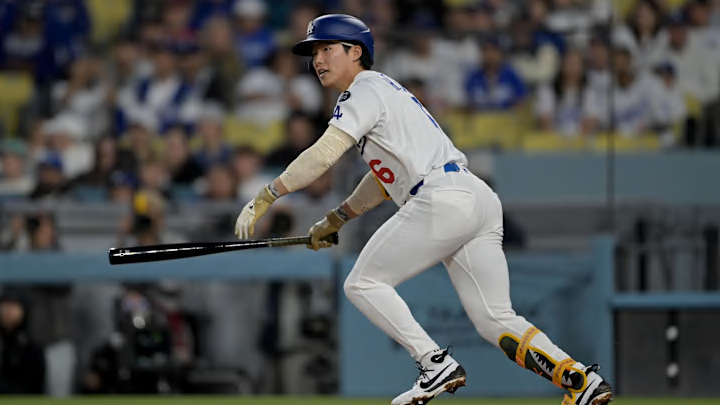
Start with the glove. Kim provided competent defense at both shortstop and center field when injuries forced the Dodgers to shuffle. At second base, however, he wasn’t just good — he was elite. Kim posted four Outs Above Average and nine Defensive Runs Saved at the position, numbers that placed him among the best defenders in baseball during his limited time there. Add in his 85th-percentile sprint speed, and you have a player who can credibly cover both the infield dirt and the outfield grass without looking out of place.
That kind of versatility matters. Especially to a Dodgers team that values matchup flexibility and late-game options as much as star power.
There’s also a larger context that’s easy to forget amid the strikeouts and power concerns. Kim didn’t come to MLB as a finished product; he came as a proven on-base machine. In the KBO, his on-base percentage topped .370 in each of his final four seasons. That skill didn’t simply vanish — it was challenged. Big league pitching exposed holes, forced adjustments, and tested his timing. That’s not failure. That’s transition.
Financially, Kim remains one of the more intriguing assets on the Dodgers’ books. He has two years and $8 million remaining on his deal, with $5 million club options for each of the two seasons beyond that. In an era where utility players and second basemen with defensive value are commanding serious money, Kim is cost-controlled, flexible, and still young. On the trade market, that combination is gold.
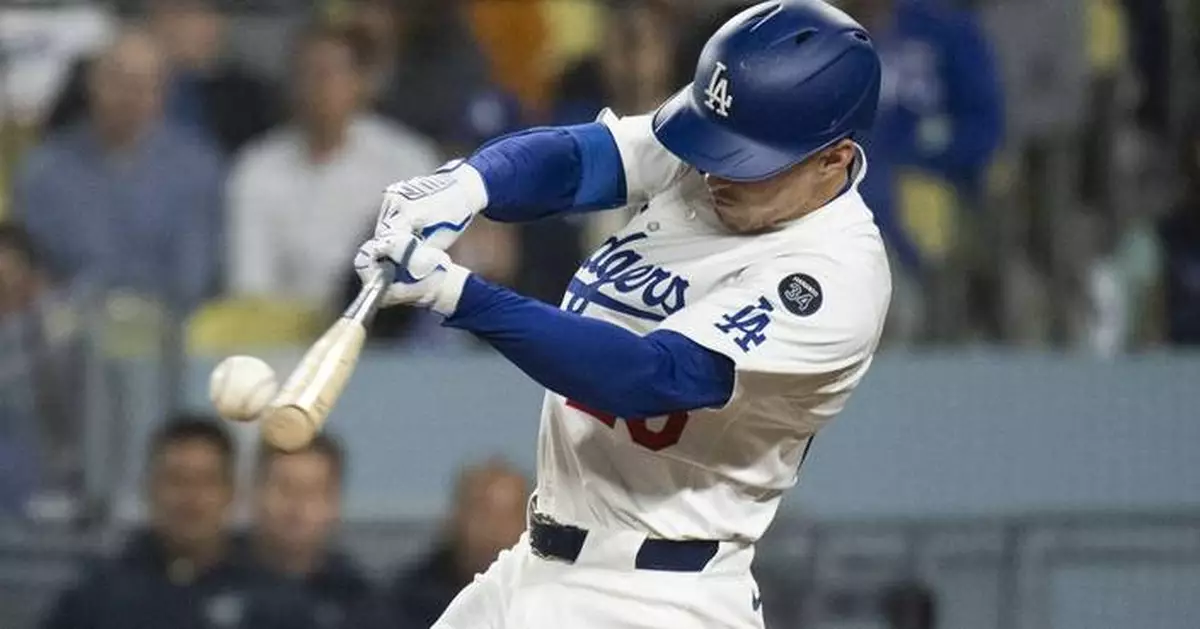
But the Dodgers may not want to trade him — they may need him.
Both Miguel Rojas and Kiké Hernández are hitting free agency, leaving a clear void in the club’s utility depth. For years, Los Angeles has relied on players who could float across the diamond, absorb inconsistent playing time, and still deliver in high-leverage moments. Kim fits that mold. In fact, if given a real commitment, he could evolve into a Ben Zobrist–style weapon: not flashy, not dominant, but indispensable.
That commitment, however, was missing down the stretch in 2025. After the All-Star break, Kim appeared in just 22 games. In the postseason, he didn’t record a single plate appearance. For a rookie trying to adjust to MLB pitching, the message was unmistakable: trust was limited, and patience even more so.
Now, the question heading into 2026 isn’t whether Hyeseong Kim was perfect — he wasn’t. It’s whether the Dodgers are willing to meet his relentless self-criticism with opportunity rather than indifference. If they do, there’s a real chance Kim’s brutal “30 out of 100” grade becomes the most misleading number of his career — and the starting point of something far more dangerous for the rest of the league.
Leave a Reply