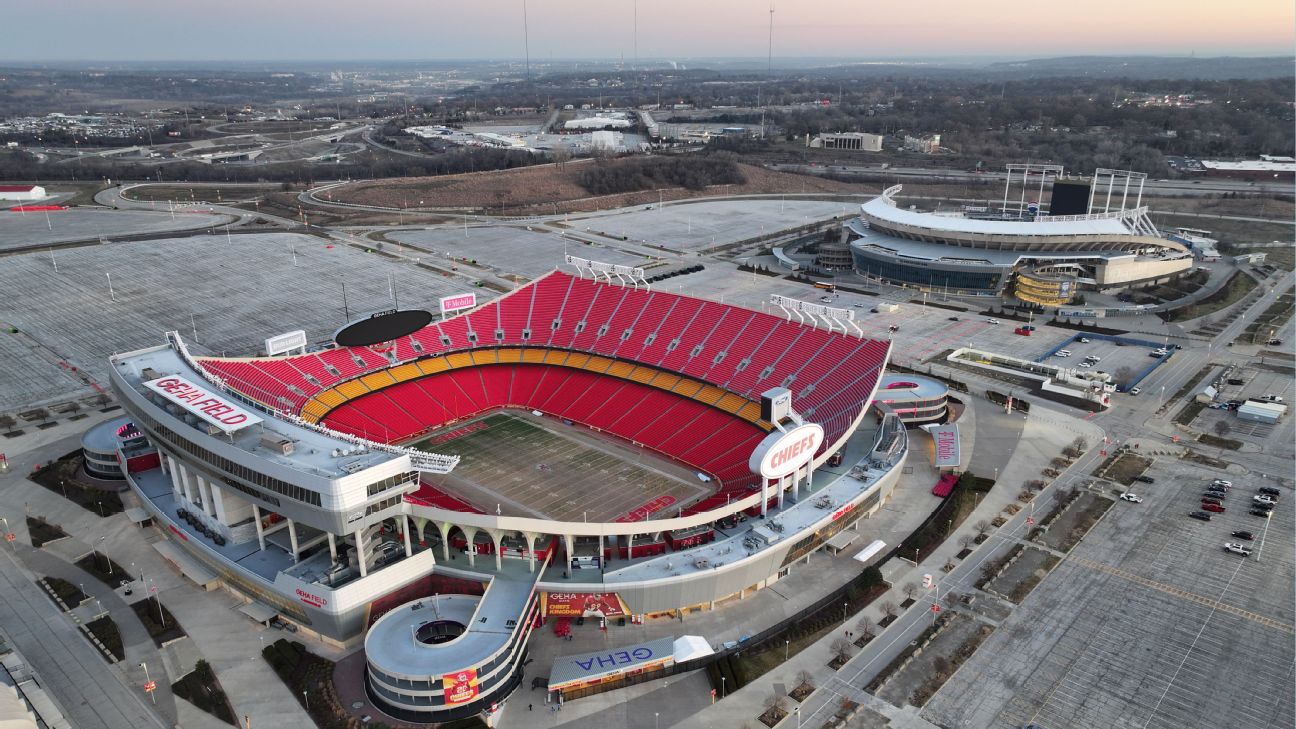
Kansans Never Voted to Move the Chiefs — And Arrowhead Stadium Is the Heart of Kansas City
No vote. No public mandate. No clear consent from the people most affected.
Yet one of the most iconic franchises in American sports is preparing to leave the stadium that defined it — and the communities that built it. The potential relocation of the Kansas City Chiefs away from Arrowhead Stadium isn’t just a business decision. It’s a civic moment that exposes a growing disconnect between billion-dollar sports deals and the voices of everyday fans, workers, and local businesses.
Kansans never voted to move the Chiefs. Missourians never voted to lose them. And Kansas City may be left paying the price.
Arrowhead Is Not “Just a Stadium”
Arrowhead Stadium is more than concrete and steel. It’s a cultural landmark, a national symbol, and the emotional center of Kansas City sports. It’s where generations of families gathered, where records were broken, and where the loudest stadium in the world became part of NFL history.
To reduce Arrowhead to an “asset” or a “facility problem” misses the point entirely.
For decades, Arrowhead anchored an entire local economy. Restaurants, bars, hotels, parking attendants, food vendors, and service workers built their livelihoods around the rhythm of game days. For many small businesses near the stadium, Chiefs Sundays weren’t bonuses — they were survival.
Now those same businesses are staring at a future with no clear replacement, no transition plan, and no public accountability.
A Decision Without the People

Perhaps the most controversial part of this saga isn’t the move itself — it’s how it happened.
There was no statewide vote in Kansas asking residents if public incentives should be used to lure the Chiefs. There was no regional referendum asking Kansas City communities what Arrowhead means to them. Instead, negotiations happened behind closed doors, framed as “economic development” while the public was left reacting after the fact.
That absence of democratic input matters.
When cities invest public money in stadiums, they take on long-term risks. When teams leave, communities absorb the fallout. The idea that such decisions can be made without direct voter approval should concern anyone who believes public dollars require public consent.
Who Wins — And Who Loses?
Kansas leaders are celebrating the potential arrival of the Chiefs as a massive win. New stadium. New development. New prestige.
But every winner has a loser.
Missouri communities around Arrowhead face empty parking lots, declining property values, and job losses. Taxpayers may be left maintaining or demolishing a stadium that once symbolized pride but now represents abandonment.
And fans across the region feel something deeper than economic anxiety — they feel dismissed.
This wasn’t just a franchise changing zip codes. It was a shift that ignored emotional investment, history, and loyalty.
Arrowhead’s Uncertain Future

What happens to Arrowhead Stadium once the Chiefs leave?
That question still has no clear answer. Maintenance alone costs millions annually. Demolition could cost far more. Redevelopment requires vision, funding, and time — none of which have been publicly guaranteed.
Without a concrete plan, Arrowhead risks becoming a modern “white elephant”: too expensive to maintain, too historic to erase, and too large to ignore.
And every year of uncertainty makes recovery harder.
The Cultural Cost No Spreadsheet Can Measure
Sports economists often argue stadiums don’t generate the returns politicians promise. But they also fail to measure what’s lost when a team leaves: civic identity, shared memory, and community pride.
Arrowhead is part of Kansas City’s national identity. When people think of the Chiefs, they think of Arrowhead — not a future dome across state lines.
That loss doesn’t show up in tax reports, but it lingers in how a city sees itself.
Accountability Matters
This situation demands transparency and responsibility.
If public incentives were used, the public deserves a voice. If communities are harmed, they deserve mitigation. If Arrowhead is abandoned, someone must answer for it.
Kansas City didn’t ask for this uncertainty. Local businesses didn’t vote for it. Fans didn’t demand it.
And that’s the core issue.
A Question Bigger Than Football
At its heart, this debate isn’t just about where the Chiefs play football. It’s about who gets to decide the future of cities — billion-dollar organizations or the people who live there.
Arrowhead Stadium is Kansas City’s heart. Hearts don’t get replaced quietly. They don’t move without consequences.
The Chiefs may find a new home. But the question remains whether Kansas City will be left with an empty shell — and a lasting sense that its voice never mattered.
And if this decision didn’t require a vote, what other public institutions might be moved next — without asking the people who built them?
Leave a Reply