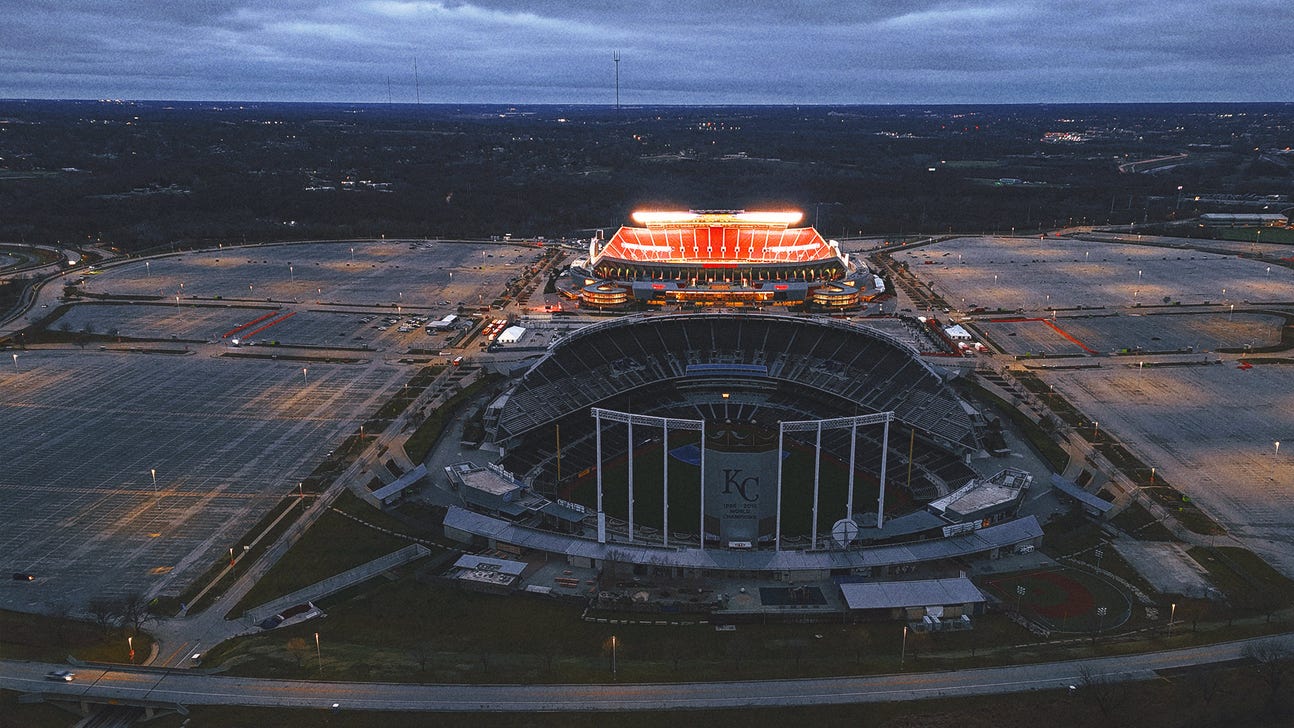
For more than a decade, Kansas City has enjoyed something many NFL cities only dream about: stability, success, and a franchise quarterback who defined an era. But in 2025, that sense of certainty is gone. The Kansas City Chiefs are set to miss the playoffs for the first time since 2014, Patrick Mahomes is rehabbing a torn ACL, and fans are being asked to swallow a controversial decision that could cost the city billions — a massive public subsidy tied to the future of the team’s stadium.
This isn’t just about football anymore. It’s about trust.
A Perfect Storm for Kansas City
Let’s be clear: the Chiefs’ on-field struggles are real. Injuries decimated key positions, Mahomes’ absence changed the identity of the offense, and the once-feared dynasty suddenly looks vulnerable. Missing the playoffs alone would be shocking — but paired with an uncertain future, it feels seismic.
At the same time, Kansas City voters and lawmakers are being pushed to support a stadium funding plan that critics argue prioritizes ownership interests over public accountability. Billions in public money, long-term tax commitments, and limited transparency have sparked fierce debate across the city.
Supporters claim the deal ensures the Chiefs stay in Kansas City for generations. Opponents argue it’s a familiar playbook: privatize profits, socialize risk, and hope fans don’t ask too many questions.
Mahomes’ Injury Changes Everything
Patrick Mahomes isn’t just the Chiefs’ quarterback — he’s the emotional and economic engine of the franchise. His ACL injury doesn’t merely impact wins and losses; it fundamentally alters the timeline the city should be operating under.
When a franchise is dominant, cities often rush to lock in long-term agreements out of fear of losing success. But Kansas City is negotiating from a moment of uncertainty, not strength. Attendance dips, playoff revenue vanishes, and national perception shifts quickly in the NFL.
That’s precisely why critics argue now is the worst possible time to rubber-stamp a massive stadium subsidy.
Stadium Subsidies: A Risky Bet
History offers plenty of warnings. Across the United States, cities that rushed into stadium deals during moments of emotional pressure often found themselves burdened with decades of debt and underwhelming economic returns.
Independent studies consistently show that publicly funded stadiums rarely deliver the promised windfall. Jobs are temporary. Revenue is concentrated. Meanwhile, taxpayers remain locked into obligations long after the excitement fades.
Kansas City is being told this deal is “necessary” to remain competitive in the modern NFL. But competitive for whom? The team? Or the city?
The Fan Base Is Fracturing
What makes this moment especially volatile is how divided Chiefs fans have become. On social media, the tone has shifted dramatically:
-
Some argue the city owes the Chiefs loyalty after years of success.
-
Others insist loyalty should never mean writing a blank check.
-
A growing number believe ownership is exploiting fan fear during a vulnerable season.
Missing the playoffs has stripped away the emotional buffer that once protected leadership from scrutiny. Without postseason success to distract them, fans are asking harder questions — and they aren’t wrong to do so.
There’s Still Time to Change Course

Here’s the part few leaders want to admit: Kansas City still has leverage.
Stadium deals are not binary. Terms can be renegotiated. Transparency can be increased. Public protections can be strengthened. Delaying a decision is not the same as losing the Chiefs — despite what fear-driven narratives suggest.
If anything, this moment demands caution, not haste.
The Chiefs’ first playoff miss in over a decade should be a wake-up call, not a reason to panic. Great franchises recover. Cities, however, live with financial decisions for generations.
The Bigger Question
This isn’t about being anti-Chiefs. It’s about being pro–Kansas City.
A city can love its team while still demanding accountability. It can celebrate Mahomes’ greatness while acknowledging that no player — not even a generational one — should dictate billion-dollar public policy.
The real risk isn’t losing the Chiefs. The real risk is locking the city into a deal it will regret long after this season is forgotten.
Leave a Reply