New York City is preparing for a historic transition at the top of the Fire Department as Lillian Bonsignore, a veteran first responder and longtime emergency medical services leader, prepares to assume the role of FDNY commissioner under Mayor-elect Zohran Mamdani. In just days, Bonsignore will take the helm of the world’s busiest fire department—an appointment that city officials and public safety advocates alike are calling one of the most consequential decisions of the incoming administration.
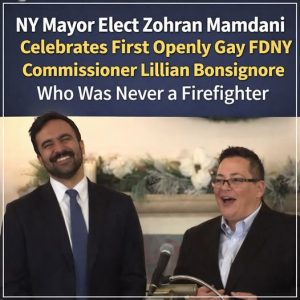
Bonsignore’s career spans more than three decades on the front lines of emergency response. She began as an EMT in 1991, rising through the ranks during an era marked by seismic changes in public safety, technology, and urban risk. Her trajectory ultimately led to her promotion as chief of the city’s EMS division, a position she held for three years before retiring in 2022. Throughout that time, colleagues describe her as a disciplined, detail-oriented manager with a deep understanding of both operational realities and the human toll of emergency work.
Mayor-elect Mamdani has framed the appointment as a statement of priorities. “They deserve a leader who cares about their work because she did it herself,” Mamdani said, praising Bonsignore’s firsthand experience and her willingness to fight for the department. “She understands every detail and will fight tirelessly to empower FDNY and make it the best firefighting force in the world.”
The decision has drawn attention not only for Bonsignore’s résumé, but also for its historic significance. When she takes office, Bonsignore will become the FDNY’s first openly gay commissioner, marking a milestone for the department and for LGBTQ representation in city leadership. Advocates say the appointment sends a powerful signal about inclusion in an institution long associated with tradition and uniformity.
“Representation matters—especially in agencies where culture and trust are everything,” said one city official familiar with the transition. “This is about recognizing excellence and opening doors at the same time.”
Some critics have focused on a single point: Bonsignore has never served as a firefighter. Supporters counter that the FDNY is a complex, multi-division organization in which EMS plays a central and expanding role—and that leadership requires operational fluency, not necessarily having held every position within the department. Bonsignore herself has addressed the concern directly.
“I know the job,” she said. “I know what the firefighters need and I can translate that to this administration who’s willing to listen. I know what EMS needs—I have been EMS for thirty-plus years.”
Her defenders note that EMS is often the first point of contact for New Yorkers in crisis and that Bonsignore’s leadership helped modernize response protocols, strengthen coordination across units, and advocate for resources during periods of intense strain. Those experiences, they argue, are precisely what the department needs as it faces rising call volumes, climate-driven emergencies, and ongoing staffing challenges.
Within City Hall, the appointment is also being viewed through the lens of continuity and reform. Bonsignore’s managerial style has been compared to that of NYPD Commissioner Jessica Tisch, who is expected to remain in her post. Both are known for data-driven decision-making, hands-on leadership, and a focus on internal accountability—qualities the Mamdani administration appears eager to emphasize across agencies.
Union leaders have offered cautious optimism, signaling that their support will hinge on early actions related to staffing, equipment, and mental health resources. “The commissioner sets the tone,” one FDNY official said. “If the tone is respect, preparation, and advocacy, the department will respond.”
For many rank-and-file members, the moment feels transitional. The FDNY has weathered extraordinary challenges in recent years, from pandemic pressures to extreme weather events and evolving public safety demands. A commissioner with deep EMS roots could reshape how the department allocates resources and coordinates across divisions—potentially elevating EMS voices while reinforcing the central mission of fire suppression and rescue.
As Bonsignore prepares to step into the role, expectations are high and scrutiny is inevitable. Her appointment symbolizes both continuity—grounded in decades of service—and change, reflecting a broader shift in how New York defines leadership at the highest levels of public safety.
In a city where emergencies never pause and history is made in real time, Lillian Bonsignore’s ascent to FDNY commissioner marks a defining moment. How she balances tradition with transformation may shape the department—and the city—for years to come.
Leave a Reply