Official Shockwave Across the NFL: Kansas City Chiefs Confirm Move From Missouri to Kansas in $3 Billion Stadium Deal
A Historic Decision That Changes the NFL Landscape Forever
The Kansas City Chiefs have officially set the NFL world buzzing after confirming plans to relocate from Missouri to Wyandotte County, Kansas, marking one of the most dramatic franchise moves in modern league history. Backed by a massive tax incentive package approved by Kansas lawmakers, the Chiefs will build a $3 billion state-of-the-art domed stadium, reshaping not only their future but the balance of sports, economics, and regional pride across the Kansas–Missouri border.
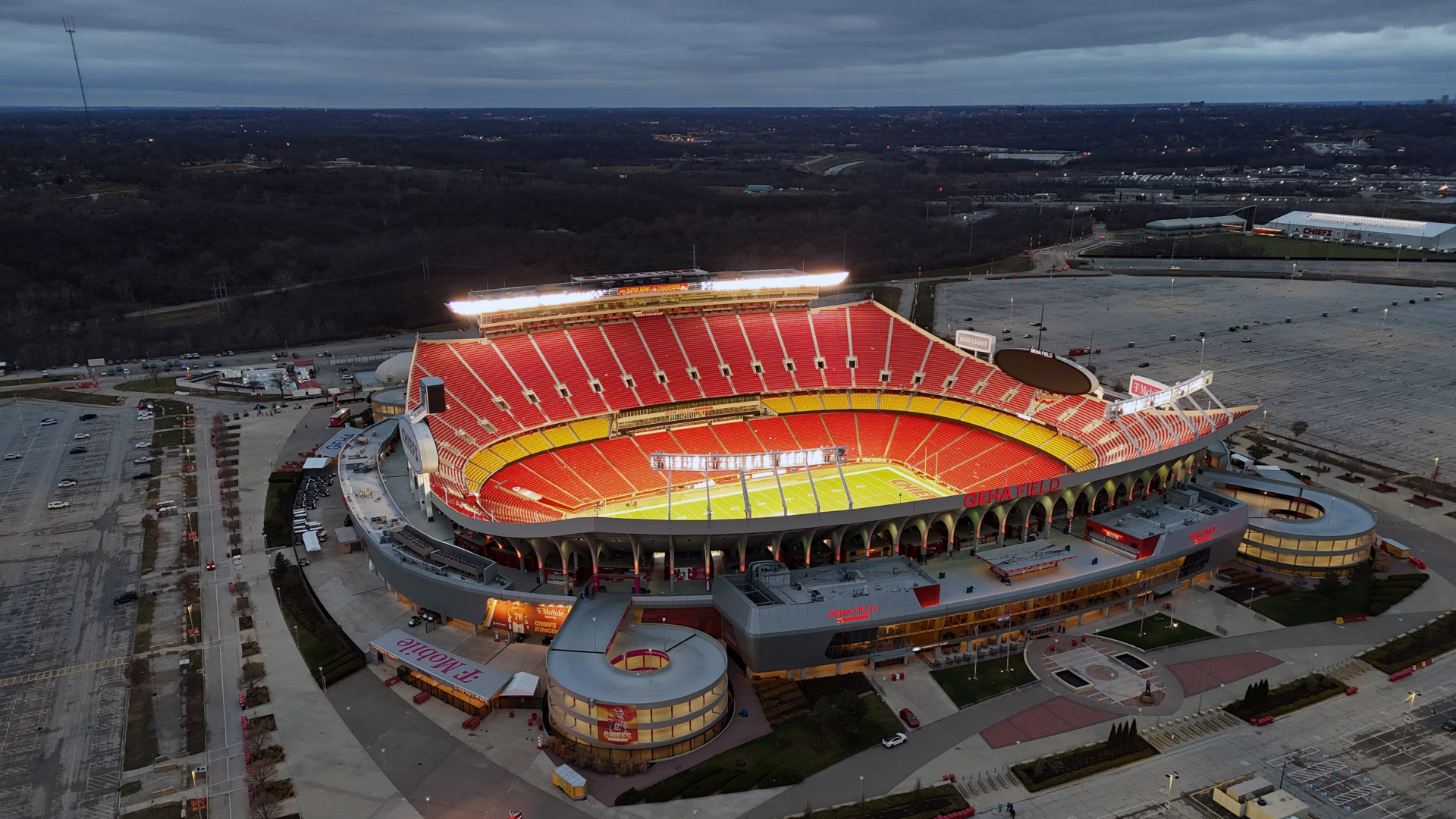
For decades, Arrowhead Stadium has been the spiritual home of the Chiefs, a fortress known for its deafening noise and legendary fan culture. Now, that era is approaching its final chapter.
Why the Chiefs Are Leaving Missouri
The roots of the move trace back to months of tense negotiations, political debates, and uncertainty surrounding the future of Arrowhead Stadium. Missouri officials had proposed renovation plans and funding options, but those efforts stalled after voters rejected a sales-tax extension earlier this year. Without guaranteed long-term funding, the Chiefs began exploring alternatives.
Kansas acted quickly and decisively.
State legislators approved a powerful financing package built around STAR bonds (Sales Tax and Revenue bonds), allowing future tax revenue generated by the project to help pay for construction. The result was a deal Missouri could not match — one that offered financial certainty, long-term stability, and a vision for growth beyond football.
By Monday night, the decision was official.
Inside the $3 Billion Stadium Project
The proposed stadium will be a fully domed, year-round venue designed to seat approximately 65,000 fans, with the flexibility to host Super Bowls, NCAA Final Four tournaments, major concerts, and international events.
But the stadium is only part of the plan.
Surrounding it will be a sprawling entertainment and mixed-use district, including hotels, restaurants, retail spaces, offices, and public gathering areas. Kansas officials project the development will generate billions in economic impact over the next several decades and create tens of thousands of jobs during construction and beyond.
The Chiefs are expected to contribute a significant private investment, while public funding will rely on revenue generated by the district itself — a structure designed to avoid raising general state taxes.
Timeline: When the Move Will Happen
Despite the announcement, fans won’t see an immediate change on Sundays.
The Chiefs will continue playing at Arrowhead Stadium through the 2030 NFL season, giving the organization time to complete construction and manage the transition. The team is targeting the 2031 season for its official debut in Kansas.
Until then, Arrowhead will remain active — but with a ticking clock that now feels louder than the crowd noise it once celebrated.
Reaction From Chiefs Ownership and Kansas Leaders
Chiefs Chairman and CEO Clark Hunt framed the move as a long-term investment in both the franchise and the fan experience.
“This is about ensuring the future of the Kansas City Chiefs for generations,” Hunt said. “The new stadium will allow us to compete at the highest level on and off the field, while delivering a world-class experience for our fans.”
Kansas Governor Laura Kelly called the agreement a “transformational win” for the state, emphasizing economic growth, tourism, and national visibility.
“This isn’t just about football,” Kelly said. “It’s about jobs, opportunity, and putting Kansas on the global stage.”
Missouri’s Loss and the Emotional Fallout
While Kansas celebrates, Missouri is left grappling with the loss of one of its most iconic institutions.
Arrowhead Stadium has been home to unforgettable moments — Super Bowl runs, Hall of Fame careers, and a fan base widely regarded as one of the most passionate in sports. For many longtime supporters, the move feels personal.
Local officials expressed disappointment, acknowledging the financial and cultural impact of losing the Chiefs while insisting the door had remained open until the final decision.
Fans, meanwhile, are divided. Some vow to follow the team wherever it goes. Others see the move as a betrayal after decades of loyalty.
What This Means for the NFL
The Chiefs’ relocation underscores a growing reality in professional sports: states are now competing as aggressively as teams.
Modern franchises are no longer just football operations — they are massive entertainment businesses capable of reshaping local economies. Kansas’ willingness to commit public resources, long-term planning, and political capital reflects how valuable an NFL team has become.
League insiders believe the move could influence future stadium negotiations across the NFL, strengthening owners’ leverage and pushing cities to think bigger, faster, and more creatively.
A New Era Begins — Even Before the First Kickoff
Though the Chiefs won’t officially cross state lines for several more seasons, the move has already altered the franchise’s identity. Recruiting, branding, sponsorships, and fan engagement will all evolve as the organization prepares for life in Kansas.
What remains unchanged is the team’s ambition.
As the Chiefs chase championships on the field, they are simultaneously building a future off it — one defined by scale, spectacle, and a bold willingness to rewrite history.
The Arrowhead era may be nearing its end, but for the Kansas City Chiefs, a new chapter has already begun.
Leave a Reply