Recent headlines and viral captions have circulated claiming that Angel Reese “went nuclear” on Caitlin Clark and accused her of racism. However, there is no verified evidence that Reese made the statements described above.
Posted by
–
The language in that quote — referencing three-point shooting, Midwestern politeness, and smiling at referees as “peak white privilege” — reads far more like satire or social media exaggeration than an authentic interview excerpt. In today’s media climate, clips are often edited, fabricated, or framed in a way designed to inflame fan bases and generate clicks.
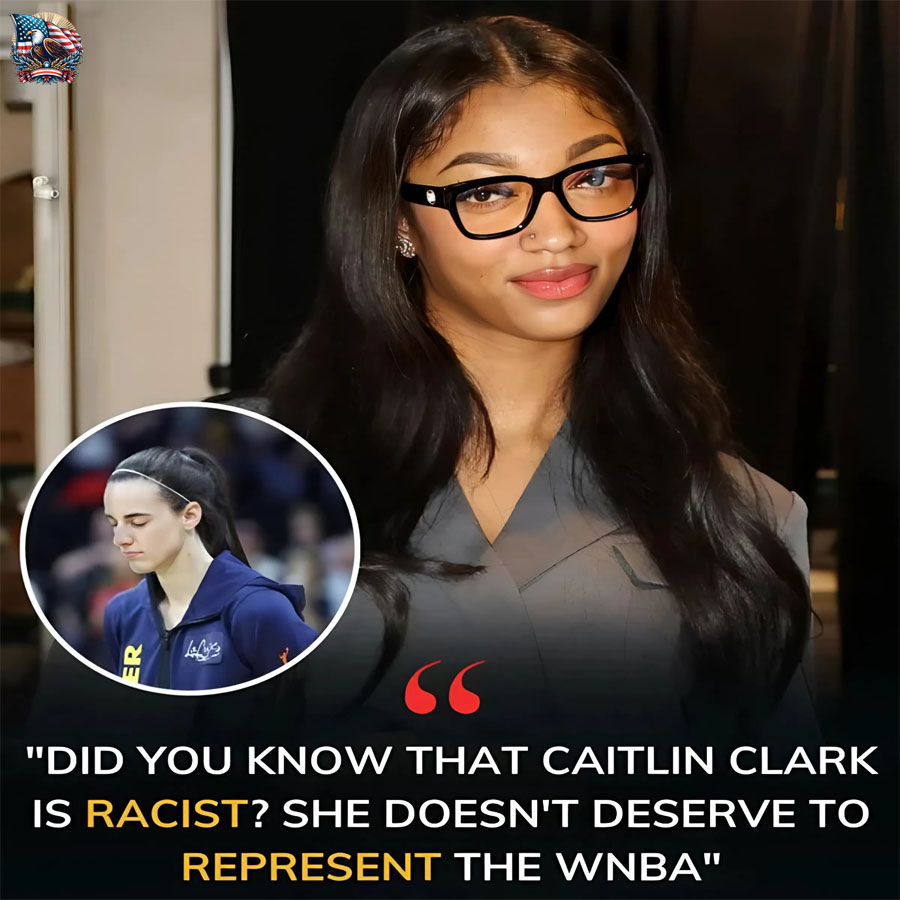
Clark and Reese have undeniably been central figures in one of the most discussed rivalries in modern women’s basketball. Their competitive history stretches back to their collegiate matchups, where their intensity, contrasting styles, and headline moments fueled enormous ratings and online debate. That rivalry carried into the professional level, where both athletes entered the league under intense scrutiny and with passionate fan followings.
But it’s important to separate competitive fire from serious accusations.
Accusations of racism are significant and damaging claims that require clear, credible sourcing. As of now, there has been no substantiated report of Angel Reese publicly calling Caitlin Clark racist or saying she has “no place in this league.” Viral posts using inflammatory phrasing often originate from parody accounts, edited clips, or commentary pages seeking engagement.
The broader dynamic between Reese and Clark has frequently been shaped by media narratives as much as by the players themselves. Analysts have debated issues such as media coverage disparities, marketability, officiating attention, and fan reactions. Those discussions sometimes evolve into conversations about race, representation, and bias in sports coverage — but those are systemic conversations, not personal accusations unless directly stated.
Both players have publicly acknowledged the competitive tension between them while also emphasizing respect for the game. Rivalries drive viewership. They fuel debate. They create storylines. But they do not automatically equate to personal hostility or discriminatory claims.
The mention of “expert fan analyst” commentary about smiling referees and scowling as markers of authenticity further signals that the narrative may be satirical or intentionally exaggerated. Social media often blends humor, sarcasm, and outrage in ways that can easily be misinterpreted as factual reporting.
In polarized online environments, emotionally charged headlines travel faster than nuanced reality. Fans may amplify content that reinforces their preferred narrative — whether that portrays Clark as unfairly favored or Reese as unfairly targeted. Algorithms reward intensity, not accuracy.
If such a serious statement had genuinely been made during a formal interview, it would likely be widely reported by reputable sports journalists, league officials would address it, and both players would be asked for clarification.
At present, there is no confirmed record of that happening.
This moment highlights the importance of verifying sources before accepting viral claims, especially when they involve allegations of racism or character attacks. Rivalries in sports are compelling because they’re competitive — not because they devolve into unsubstantiated accusations.
The real story surrounding Angel Reese and Caitlin Clark remains about basketball: contrasting styles, market impact, league growth, and how two high-profile young stars are shaping the next era of the game.
Before reacting to explosive headlines, it’s always worth asking: Is this coming from a credible source? Or is it designed to provoke?
In today’s sports media landscape, that distinction matters more than ever.
Leave a Reply