In a fiery statement that captured the growing frustration over federal immigration enforcement, Rep. Ilhan Omar accused Homeland Security Secretary Kristi Noem of overseeing an agency that has “murdered” Minnesotans and violated basic rights — and insisted she must be removed from her post. Omar’s remarks come amid national outrage over the deaths of Renée Nicole Good, a 37-year-old Minneapolis woman fatally shot by an ICE agent during a January operation, and Alex Pretti, a Minneapolis man killed in a separate confrontation with federal agents.
Tensions in Minnesota skyrocketed after these shootings, which have sparked protests, political backlash, and intense scrutiny of how Immigration and Customs Enforcement conducts enforcement activities. Local officials, civil rights advocates, and many Democratic lawmakers have sharply criticized Noem’s response — particularly her early public defense of the agents involved.
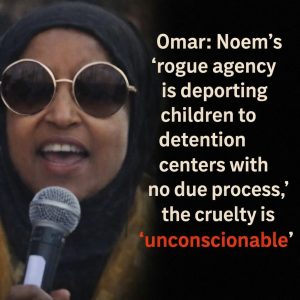
In her statement, Rep. Omar said federal immigration enforcement under Noem’s leadership has become “cruel and unconscionable,” claiming that children are being deported without due process and that the agency’s growing presence has sowed fear across communities. Omar’s letter to Noem specifically demanded an end to the surge of federal officers in Minnesota and called for an independent investigation into the fatal shootings — accusing Department of Homeland Security (DHS) leadership of blocking state access to evidence and commanding narratives before evidence was fully reviewed.
The controversy centers on a Jan. 7 Minneapolis incident in which Good was shot and killed by an ICE agent, identified as Jonathan Ross, after she drove near a group of agents involved in enforcement activities. Federal officials have defended the use of force, describing it as a response to a perceived threat, but local leaders and eyewitnesses dispute this account, citing video and witness statements that contradict the official narrative.
Just weeks later, another Minneapolis resident, Alex Pretti, was fatally shot by federal agents in a separate encounter that days after drew national media attention and renewed calls for accountability. Videos and eyewitness accounts of that incident have also raised questions about federal conduct.
The Minnesota shootings came as the Trump administration deployed roughly 2,000 ICE and Customs and Border Protection (CBP) officers to the Minneapolis–Saint Paul area as part of what Homeland Security characterized as a broader immigration enforcement operation. The heavy federal presence — part of an enforcement “surge” — drew early condemnation from state officials, who said the operation was causing fear, distrust, and harm in communities rather than improving public safety.
In response to the mounting criticism, Acting ICE Director Todd Lyons and other administration officials defended the actions of federal agents, arguing that enforcement targets include suspected gang members and that officers are acting to protect themselves and the public — a defense that has done little to quiet critics.
Despite this, state leaders — including Minnesota Governor Tim Walz and Minneapolis Mayor Jacob Frey — have maintained that local authorities were denied access to evidence and prevented from conducting state-level criminal investigations into the shootings, deepening calls for transparency and independent review.
Public opinion in Minnesota and beyond has been sharply divided. Protests and vigils honoring Good and Pretti have brought hundreds into the streets, with many expressing grief, anger, and demands for systemic change. At the same time, some Trump administration officials and supporters continue to frame the enforcement operations as necessary actions against crime and illegal immigration — a framing that critics say obscures the human toll.
Rep. Omar’s demand that Kristi Noem be removed from her role as head of DHS reflects a broader political clash over federal immigration policy, use of force, and accountability in law enforcement. Whether her calls will gain traction in Congress or influence future oversight remains uncertain, but the intensity of the backlash underscores a growing divide over how immigration enforcement is carried out in American communities.
As investigation efforts continue and public debate intensifies, Minnesotans and observers across the country are watching closely — and many are demanding answers about what happened, why it happened, and what changes might be needed to prevent similar tragedies in the future.
Leave a Reply