My name is Sarah, and for a long time, March was my favorite month.
It was the month where life always felt like it was beginning again. Warmer air. Longer light. New plans. In March of 2021, I was supposed to meet my daughter. My second child. My miracle girl. Her due date was March 9, and every day leading up to it felt wrapped in anticipation and quiet joy.
I had carried her easily, lovingly, without fear. We had done everything “right.” The tests. The appointments. The preparations. Nothing had warned us that our story would fracture the way it did.
We named her Lou before she was born. Her stroller waited by the door. Tiny dresses hung in her closet. Her room was half-finished, full of promise. Our son kissed my belly every night and told her he would teach her how to play. We chose her godparents with laughter and certainty. We believed—naively, fully—that life was generous.
Six days before her due date, the phone rang.
My best friend was gone. Her husband too. A tragic accident in the mountains. I remember sitting on the floor next to my two-year-old, unable to breathe, unable to understand how joy and death could exist in the same week. I cried until my body felt empty. I asked God how I was supposed to give birth with this kind of grief sitting in my chest. I told myself I would survive this. I had to.
Two days later, my water broke.
Labor came fast. Too fast for my heart to catch up. Within hours, the doctor told me it was time. One more push. One final moment before everything changed. I was ready to hear her cry. I was ready for relief. I was ready for life.
But when Lou was placed in my arms, the room felt wrong.
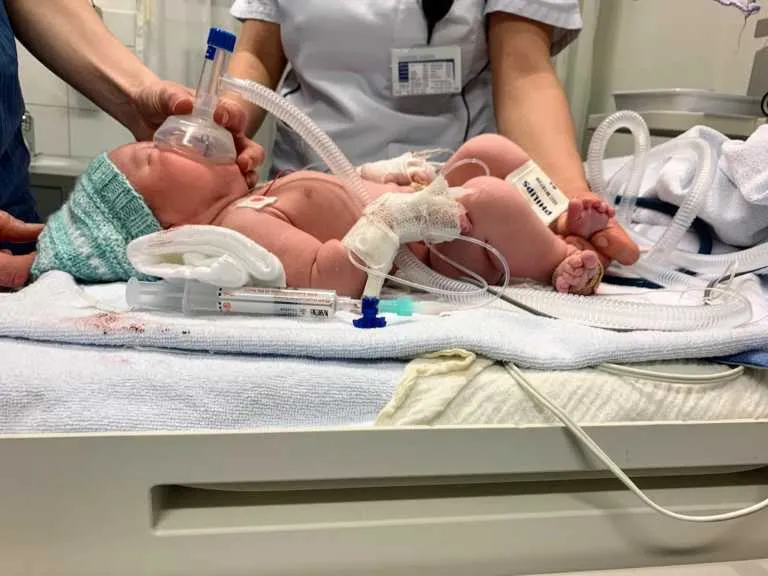
She was silent. Her body was warm, her skin soft, but something essential was missing. No cry. No protest. Just stillness. The doctor took her from me gently, urgently. I watched them carry her away before I had even memorized her face. Someone told us, “Your girl is very sick.” No explanation. No timeline. Just those words, hanging in the air like smoke.
That night, I slept in a hospital bed without my baby.
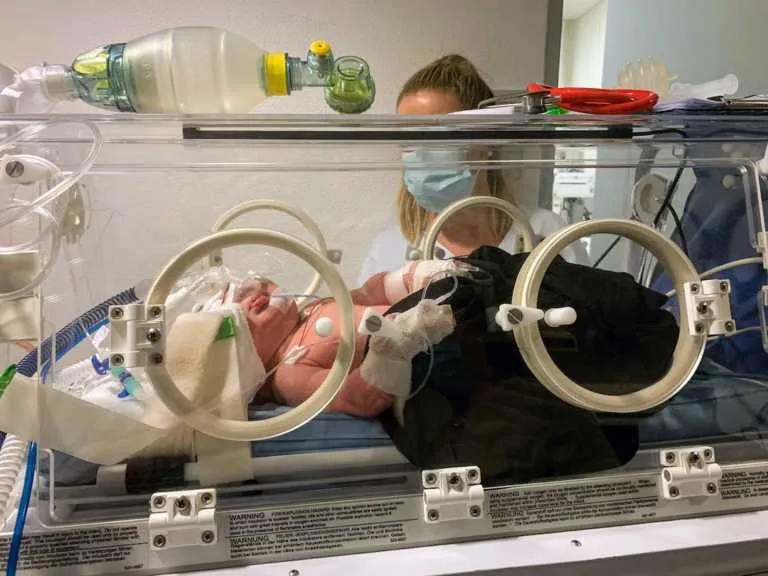
The next morning, we met her again in the NICU. Lou was surrounded by machines, wires, quiet alarms. She was stable, they said. But she was different. An open wound on her head. A fragile heart. A body that carried signs no test had ever revealed. Three days later, they gave us the name of the truth we were already bracing for.
Trisomy 13.
A diagnosis that arrived heavy with finality. A condition they called “incompatible with long life.” A sentence that explained why she was still here and why she would not be for long. They told us it was a miracle she had survived birth. They told us not to hope too far ahead. They told us to prepare.
What they could not tell us was how to live inside a moment that refuses to promise tomorrow.
Those days were the most sacred and the most brutal of my life. I held Lou constantly. I memorized the curve of her lips, the weight of her body, the sound of her breathing against my chest. I loved her with an urgency I had never known. And still, I was angry. Furious. Broken. I asked God why He would give us a child just to take her away. I felt abandoned even as I prayed.
After many conversations and tears, we chose not to pursue surgeries. Not because we didn’t love her enough—but because we loved her too much. We wanted her life to be defined by arms and sunlight, not operating rooms. We brought her home.
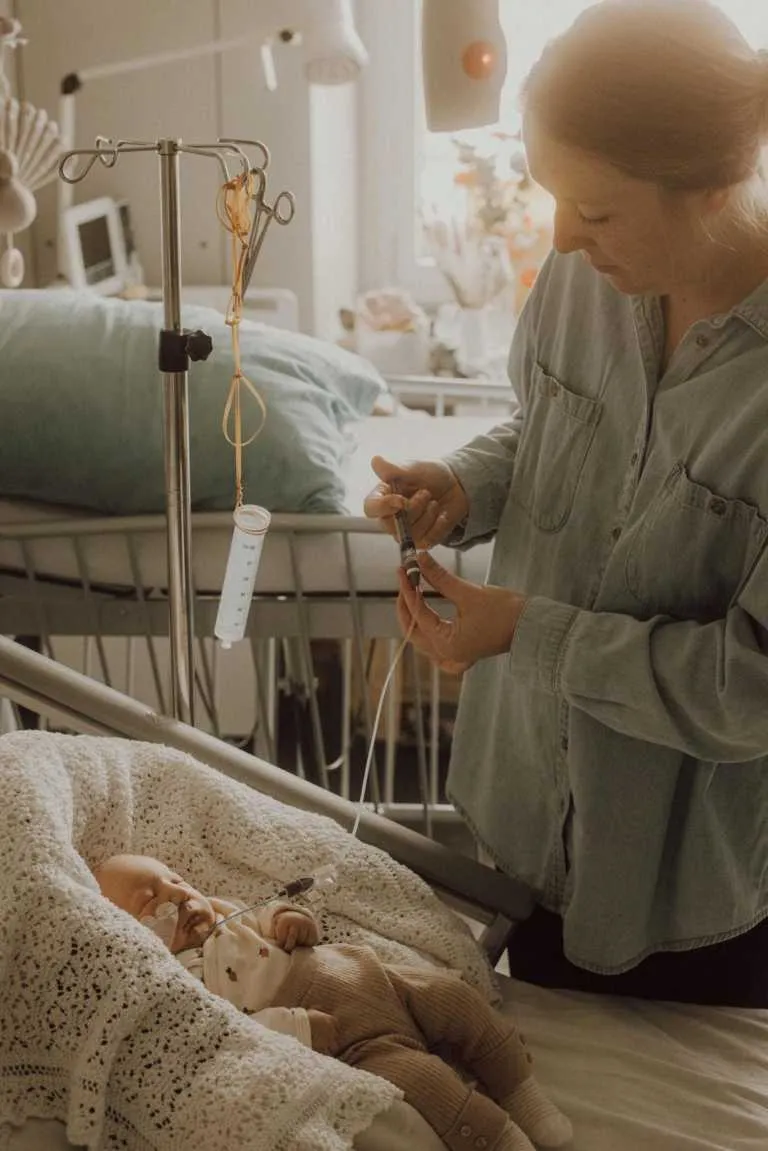
Home was chaos and grief and tenderness all at once. Nurses came and went. Days blurred together. I cried constantly. I lived with death standing in the doorway, never knowing when it would step inside. Lou was peaceful, until she wasn’t. One evening, she became restless. Her cries were different. My body knew before my mind did.
The next morning, at 10:30, Lou died in my arms.
I felt it happen. I told my husband to come close. I told him she was leaving. And then she did. Nineteen days old. Wrapped in love. Surrounded by family. Gone.
I lost my best friend at the beginning of March. I buried my daughter before the month ended. I do not have words strong enough to describe that kind of loss. March 2021 dismantled me.
People called me strong. I hated that word. Strength felt like an insult to what it cost. I did not want resilience. I wanted my baby back. I wanted a normal life. I wanted ignorance again.
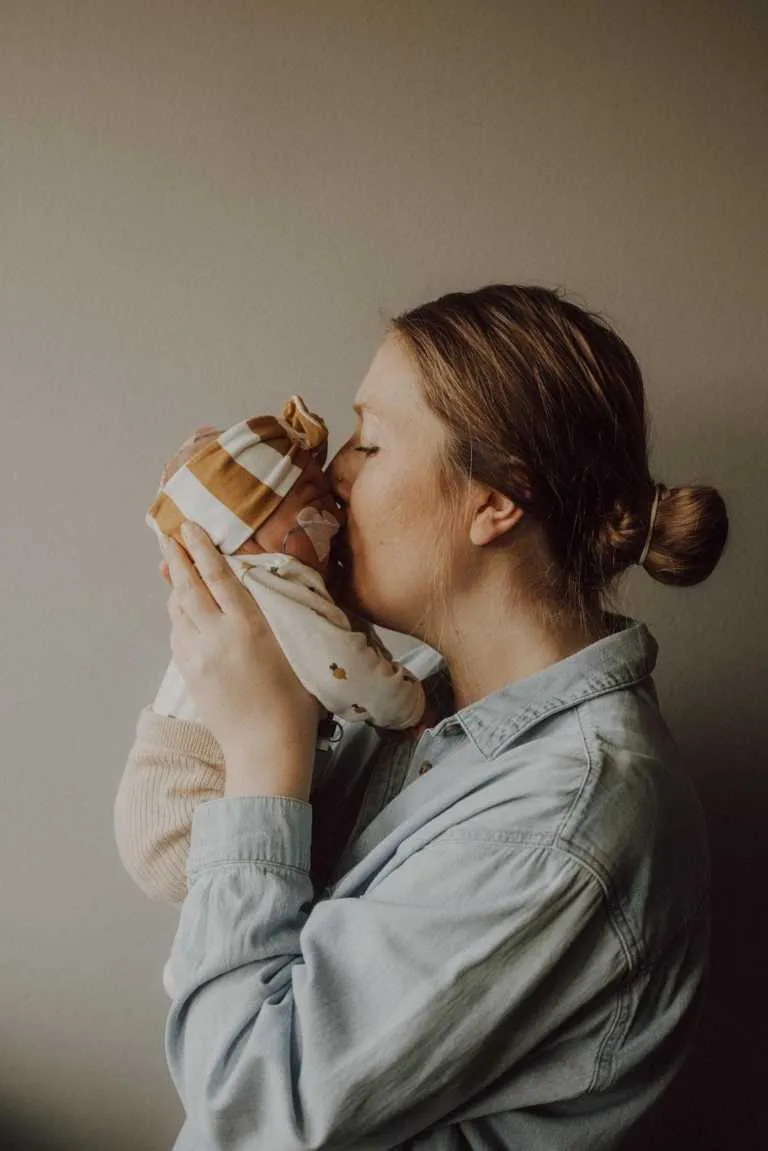
For a while, I stayed in the valley. I screamed in my car. I told God exactly how angry I was. I did not dress my pain up as faith. I gave Him my bitterness raw and unfiltered. And slowly, something shifted. Not healing. Not peace. But breath.
I still miss Lou every day. That will never change. But I have learned that grief does not mean God has left. Sometimes it means He is sitting with you in the ashes. I believe beauty can grow from devastation, even if I cannot see it yet. I believe my daughter’s life mattered—not because it was long, but because it was real.
Lou was here. She was loved. And she changed me forever.
And somehow, that has to be enough to keep going.
Leave a Reply