When the Seattle Mariners found themselves scrambling for stability at third base early last season, the solution arrived far sooner — and far quieter — than anyone expected. Ben Williamson, a rookie with barely a taste of Triple-A pitching, was suddenly standing at the hot corner in the middle of a pennant race, asked not just to survive, but to steady a position that had become a glaring weakness.
Drafted in the second round in 2023, Williamson’s rise bordered on shocking. He had logged just 150 minor league games, only 14 of them at Triple-A Tacoma, when Seattle pushed him into the big leagues. Yet circumstance often accelerates timelines, and Williamson’s elite defense, combined with the Mariners’ thin infield depth, made him the most logical — if risky — choice. What followed was a season that revealed both his promise and the questions that now loom over Seattle’s 2026 plans.
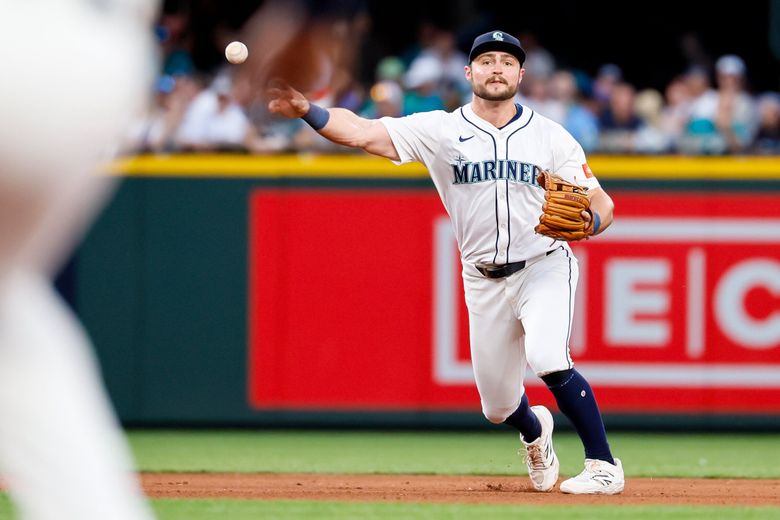
Defensively, Williamson didn’t just hold his own — he excelled. Despite playing far fewer innings than most regular third basemen, he finished with eight defensive runs saved, the sixth-best mark in all of MLB at the position. His instincts, arm strength, and range immediately translated, giving the Mariners something they desperately needed: reliability. Night after night, Williamson turned difficult chances into routine outs, earning the trust of the pitching staff and quiet praise from coaches who value run prevention as much as run creation.
At the plate, however, the learning curve was steep. Williamson hit .253, a respectable number for a rookie pressed into action, but his .294 on-base percentage and lack of power highlighted the offensive limitations that concern evaluators. In 295 plate appearances, he slugged just one home run and posted a 76 wRC+, numbers that fall short of what teams typically expect from a corner infield position. The contrast was stark: a glove that looked big-league ready, paired with a bat still searching for identity.
By the time the trade deadline arrived, Seattle chose certainty. The Mariners reunited with Eugenio Suárez, stabilizing third base for the stretch run and sending Williamson back to Triple-A Tacoma for the final two months of the season. The move wasn’t an indictment of the rookie so much as a reflection of timing — a team trying to win now, and a young player still developing.
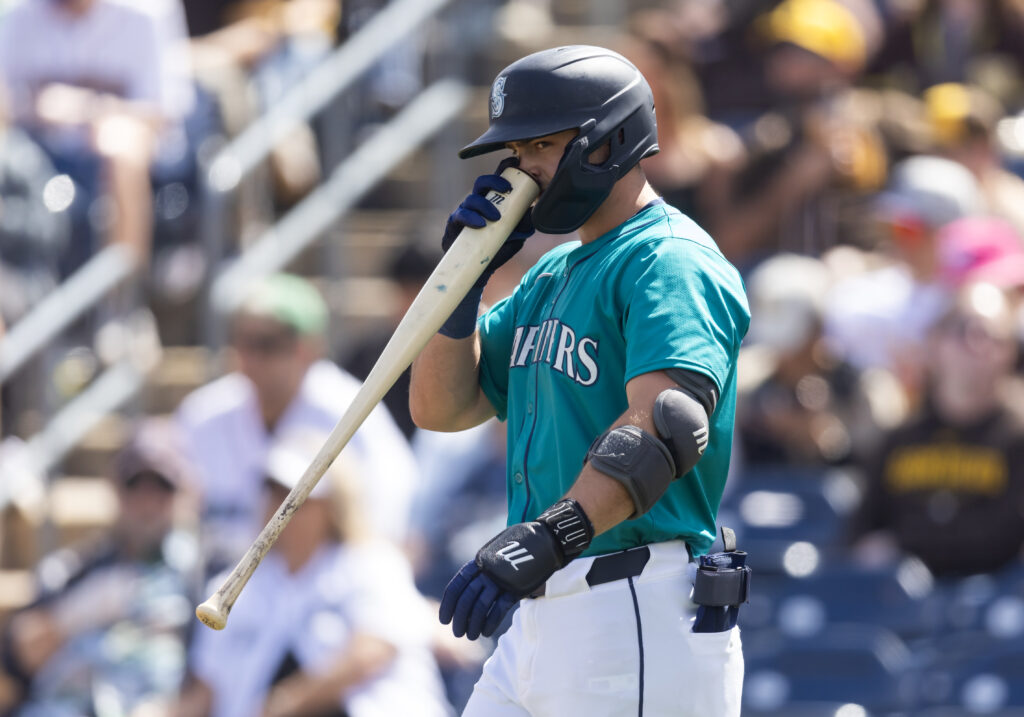
Now, with Suárez once again a free agent, the conversation has reopened — and it’s louder than before. Williamson enters the 2026 picture as a legitimate contender for the starting third base job, expected to battle top prospect Colt Emerson unless the Mariners make a significant addition before spring training. That uncertainty was front and center during a recent discussion on Seattle Sports’ Wyman and Bob, where co-host Dave Wyman and producer Mike Lefko dissected the organization’s infield crossroads.
“The Mariners now are in this position where they have a couple of almost pivots they could make either at third or second,” Lefko explained. The options are clear but complicated: invest in veterans at both spots, split the difference with one veteran and one young player, or lean fully into youth. And if Seattle does choose to go young at one of those positions, Wyman knows exactly where his confidence lies.
“That’s where you want power. I get that,” Wyman said of third base. “But he’s a proven commodity defensively. So to me, if you’re gonna go young at one of those spots, I would say Williamson.”
Wyman’s argument rests on roster construction. The Mariners already get above-average offensive production from catcher Cal Raleigh and superstar center fielder Julio Rodríguez. If Seattle can supplement the lineup elsewhere, Williamson’s defensive excellence becomes easier to justify — even with modest offensive output.
Lefko pushed that idea further, suggesting that a trade for a bat like Diamondbacks second baseman Ketel Marte or Cardinals utility man Brendan Donovan could change the equation entirely. Add offense at second base, and suddenly Williamson at third looks far more palatable.

“Perhaps you feel better about a Ben Williamson starting at third if you get that production from elsewhere,” Lefko said. Veterans like J.P. Crawford at shortstop and Josh Naylor at first base would surround him, allowing third base to become an investment in the future rather than an offensive focal point.
Still, the shadow of Suárez looms large. Lefko admitted he sees little downside in bringing the veteran back, at least early in the season, while allowing Williamson to continue developing without pressure. A stronger bench, flexible usage, and time to evaluate — all without forcing a final decision too soon.
As the Mariners look toward 2026, Ben Williamson embodies the franchise’s dilemma: trust the glove, bet on growth, or seek proven power at a cost. The answer may define not just third base, but Seattle’s competitive window itself — and the next move could come sooner than anyone expects.
Leave a Reply