Spygate Scandal: Patriots and Bill Belichick Fined for Secretly Filming Opponents’ Playbook
In the annals of NFL history, few scandals have shaken the league’s credibility as deeply as Spygate. At the center of the controversy were the New England Patriots and their legendary head coach Bill Belichick, accused of secretly filming opponents’ signals during games. The fallout not only led to hefty fines and loss of draft picks, but it also cast a long shadow over the Patriots’ dominance in the early 2007.
The Discovery
The scandal first erupted in 2007 when the NFL discovered that the Patriots had been using a sideline video camera to record the defensive signals of the New York Jets during a game. While teams often try to gain a competitive edge through scouting and film study, the NFL rules clearly prohibit recording opponents’ signals during games. The violation was considered a serious breach of competitive integrity.
Upon investigation, it became apparent that this was not an isolated incident. Evidence suggested that the Patriots had engaged in similar activities against other teams, raising questions about whether some of their victories had been influenced by illegal surveillance.
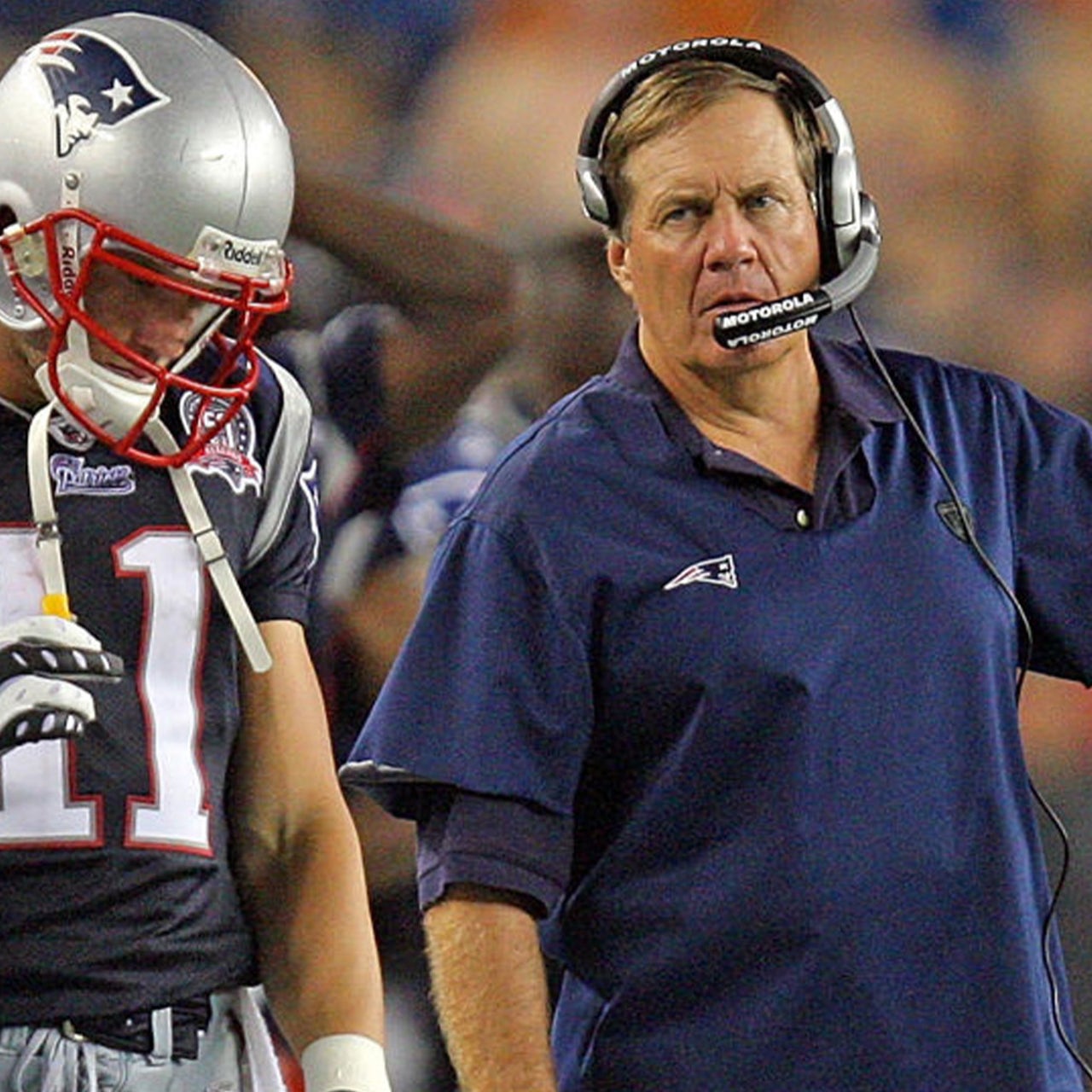
The Fallout
The NFL acted swiftly once the evidence was verified. The league imposed significant penalties:
-
Bill Belichick, the architect of the scheme, was fined $500,000, one of the largest fines ever levied against a coach.
-
The New England Patriots organization was fined $250,000.
-
Perhaps most damaging for the team’s future, the Patriots lost their first-round draft pick in 2008, a critical asset for sustaining long-term success.
The punishments sent a clear message: the NFL would not tolerate actions that threatened the fairness and integrity of its games. Yet, the scandal ignited a firestorm in media outlets and among fans, many of whom questioned whether Belichick’s Patriots had been “cheating their way” to dominance.
Media Frenzy and Public Reaction
Spygate quickly became a media sensation. Sports networks dissected every angle of the story, replaying footage of Patriots’ games and analyzing whether illegal recording had directly influenced outcomes. Headlines screamed about the fall of a dynasty, while pundits debated the ethics of competitive advantage versus outright cheating.

Fans were divided. Patriots supporters defended Belichick and quarterback Tom Brady, arguing that their success came from superior coaching, talent, and preparation—not just espionage. Critics, however, labeled the team as cunning and unscrupulous, tarnishing the legacy of one of the NFL’s most successful franchises.
The scandal also prompted broader discussions about the boundaries of strategy and deception in professional sports. While every team seeks an edge, Spygate highlighted how far some were willing to go—and the consequences of crossing the line.

Impact on the Patriots’ Legacy
For Belichick and the Patriots, the scandal left a complicated legacy. On one hand, the team continued to dominate the NFL, winning multiple Super Bowls in the years following the fines. On the other, the cloud of Spygate lingered, with critics arguing that some victories were tainted or less legitimate. Tom Brady, in particular, was often dragged into debates about whether he had benefited from illegal advantages, despite no evidence suggesting he was directly involved.
Belichick, known for his stoic demeanor, handled the fallout with his characteristic calm. In public statements, he acknowledged the violation but maintained that it was a misunderstanding or miscommunication, and he accepted the penalties without dramatic protest. Yet, the public perception was harder to control—Spygate became shorthand for cheating in the NFL, a label that followed the Patriots for years.

Lessons Learned and NFL Reforms
Spygate forced the NFL to clarify and tighten rules regarding sideline conduct and video recording. Teams now faced stricter oversight during games, with cameras and electronic devices closely monitored. The league reinforced that any attempt to record opponents’ signals during a game would result in severe penalties, aiming to protect the integrity of competition.
For fans and analysts, the scandal remains a cautionary tale: in the high-stakes world of professional sports, the line between strategy and cheating can sometimes blur, and the consequences—financial, reputational, and legal—can be severe.
Conclusion
The Spygate scandal was more than a simple rule violation; it was a defining moment that exposed the tension between competitive ambition and ethical boundaries. Bill Belichick and the Patriots paid a high price, but the team’s dynasty persisted, leaving fans and critics to debate the true cost of success. Spygate remains a stark reminder that even the most celebrated programs are not immune to controversy, and that in the NFL, winning at all costs can sometimes come with a hefty price tag.
Leave a Reply