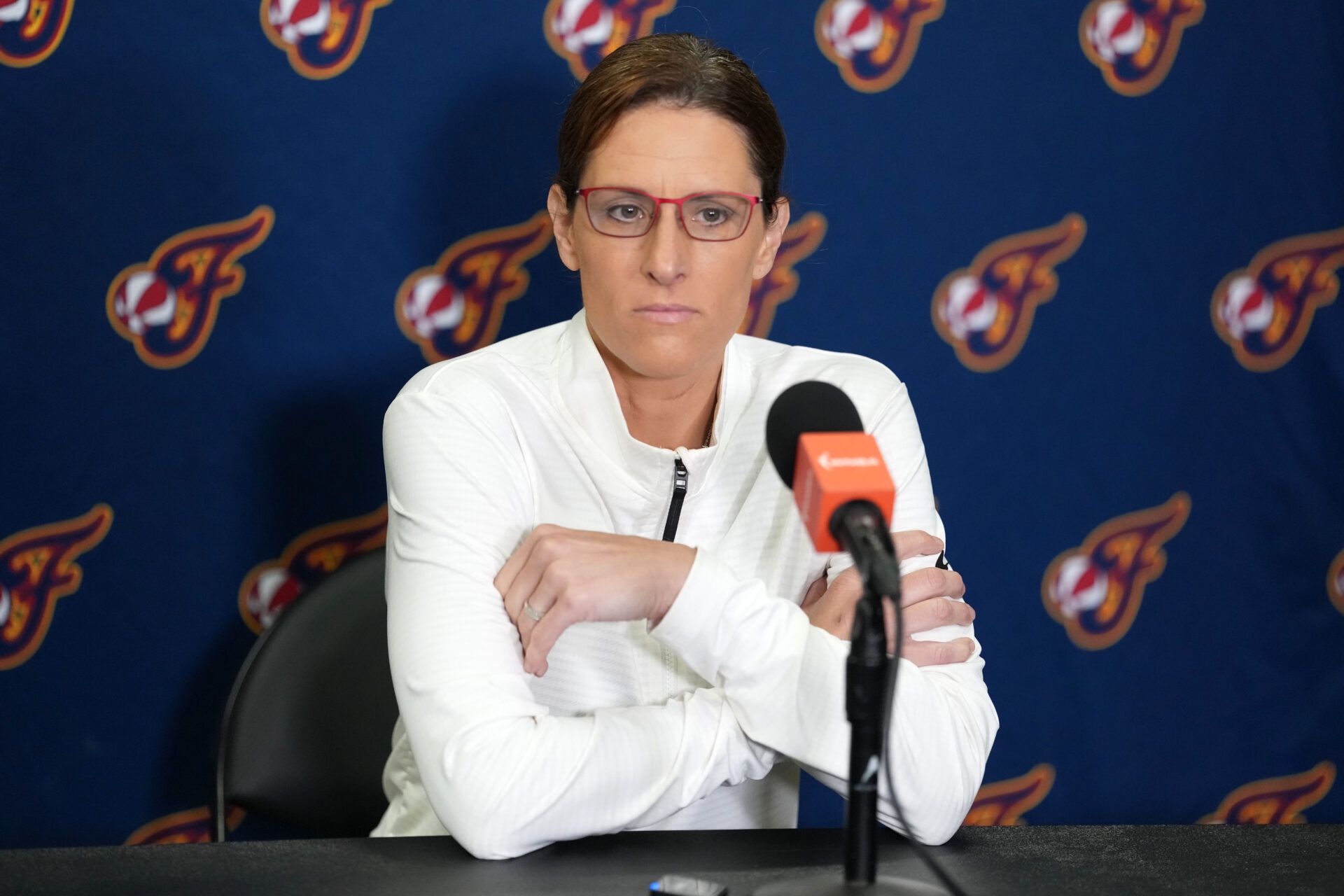
Indiana Fever head coach Stephanie White has delivered the bluntest assessment yet of where her team stands in one of the most chaotic offseasons in WNBA history. With the league frozen by uncertainty, expansion paused by ongoing CBA negotiations, and nearly every veteran heading toward free agency, White’s comments have sent a jolt through the basketball world—a rare moment of total honesty from inside a franchise trying to rebuild under immense pressure.
The 2025–26 offseason should have been historic, with the Toronto Tempo and Portland Fire joining the league, pushing the WNBA to 15 teams for the first time. Instead, both franchises remain in limbo, unable to prepare for their Expansion Drafts because the league and players’ union still have not finalized a new agreement. As a result, front offices across all 13 active teams are essentially game-planning in the dark. They’re expected to build competitive rosters for 2026 without knowing who they’ll lose, what the salary structure will be, or even when major decisions must be made.
And yet, in the middle of this uncertainty, the Indiana Fever find themselves in a uniquely complicated situation.
On one hand, the team appears stable compared to most. Their two foundational stars—Caitlin Clark and Aliyah Boston—remain locked into rookie-scale contracts, shielding the Fever from the chaos of veteran free agency. But as White emphasized, stability on paper does not translate to an easier job for a coaching staff forced to prepare for the unknown.
Speaking on the Bird’s Eye View podcast on December 5, White was blunt when Sue Bird asked whether Indiana could even “game plan” for the talent they hope to acquire this offseason.
“I think we game plan for what we’d like to have,” White said. “But the way things shake out—financially, structurally—we have a young core. That affects the moves we can make in free agency.”
Then came the line that rattled Fever fans and front offices alike:
“I’m glad I’m not the GM, I can tell you that.”
White outlined a perfect storm of complications: no clear timeline, no buffer period, shrinking decision windows, and total uncertainty about roster size and financial parameters. The league normally provides three to four weeks for teams to adjust and strategize before major offseason events—this year, that planning window simply doesn’t exist.
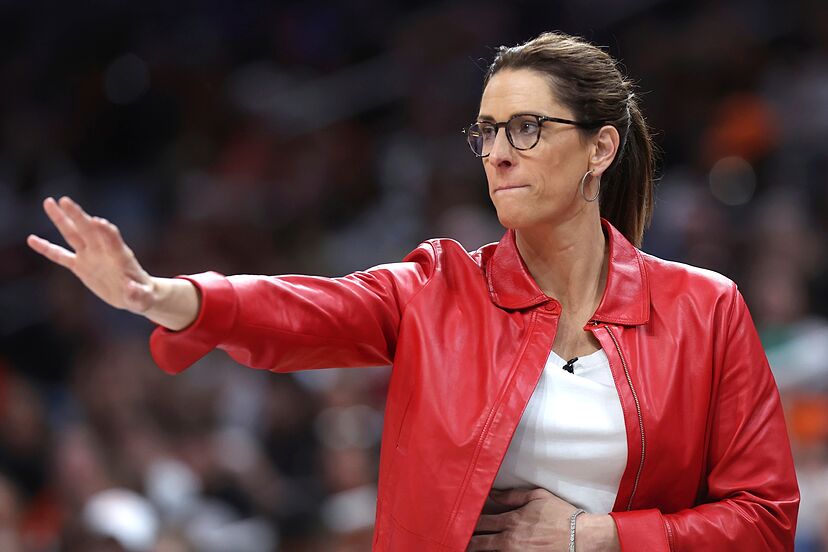
“How much time will there be to adjust? What’s it gonna look like? Roster space, roster management,” White said. “We can’t just think in terms of one year. What’s it gonna look like for us in the next three years? The next five?”
Her message was unmistakable: the Fever cannot rely on long-term planning because the league itself hasn’t given them the information to build anything long-term.
Worse yet, White acknowledged that the team must prepare to make major decisions “quickly,” without the usual ability to anticipate how the offseason will unfold. Instead of calculating, they’ll be forced into rapid-fire reactions—hardly ideal for a franchise trying to build around two of the most important young stars in women’s basketball.
This comes on the heels of Caitlin Clark’s own challenges, including her groin injury that abruptly ended her 2025 season. The Fever’s future may be bright, but that brightness is fragile, hinging on health, timing, and a league caught in a holding pattern.
Still, White remains determined. Her hope, she said, is that the Fever will “respond instead of react”—a subtle but powerful distinction that hints at just how razor-thin the margin for error has become.
As the WNBA’s most unpredictable offseason continues, one thing is clear: the Fever’s fate may depend less on who they sign—and more on how fast they can adapt when the real storm hits.
This is a developing story, and its most dramatic chapter may still be ahead.
Leave a Reply