In a sporting world crowded with icons, prodigies, and once-in-a-generation talents, 2025 belonged to one man. On a December announcement that felt inevitable yet still staggering, Shohei Ohtani was named the Associated Press Male Athlete of the Year — for a record-tying fourth time. With that vote, the Los Angeles Dodgers superstar didn’t just win another award. He cemented his place at the very top of global sports.
At 31 years old, the Japanese phenom received 29 of 47 votes, edging out pole vaulting marvel Armand “Mondo” Duplantis and tennis sensation Carlos Alcaraz. The margin mattered. The message mattered more: across all sports, no one matched Ohtani in 2025.
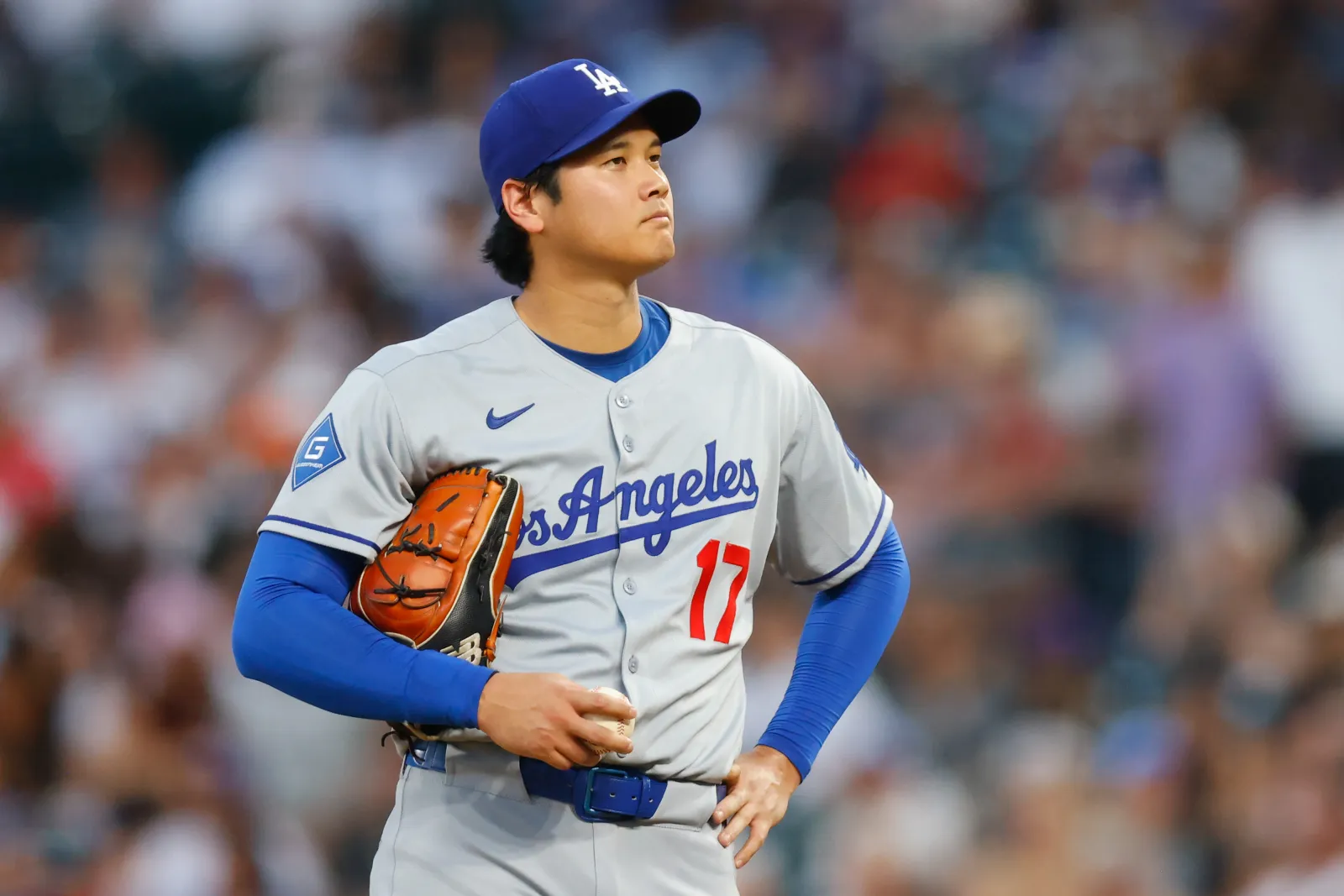
Calling Ohtani’s 2025 season “historic” almost undersells it. He didn’t merely dominate. He stretched the limits of what modern athletes are allowed to dream about.
At the plate, Ohtani delivered one of the most destructive offensive campaigns in Dodgers history, slashing .282/.392/.622 with a franchise-record 55 home runs, 102 RBIs, and 20 stolen bases. Power. Patience. Speed. Precision. There was no safe zone for opposing pitchers, no matchup advantage to exploit.
That production earned him a unanimous fourth MVP award, his second straight in the National League — a rare achievement in an era defined by specialization and load management.
And yet, the hitting was only half the story.
After undergoing elbow surgery, questions lingered. Could Ohtani truly return as a pitcher at an elite level? Would the Dodgers manage his workload cautiously? Would the two-way experiment finally meet its limit?
Ohtani answered all of it on the mound.

In 14 starts, he posted a 2.87 ERA, displaying command, velocity, and composure that defied medical timelines and conventional wisdom. He didn’t just pitch — he dominated, becoming a stabilizing force in a rotation built for October.
The Dodgers didn’t ease him back. They trusted him. He rewarded them with history.
Every great season has a defining moment. Ohtani’s came in the NLCS Game 4, a performance so absurd it almost reads like fiction.
Six shutout innings.
Three home runs.
Complete control of the game on both sides of the ball.
No player in postseason history had ever done anything like it. Analysts scrambled for comparisons. Statisticians ran out of precedents. Fans simply stared, knowing they were watching something that would never be repeated.
That game didn’t just push the Dodgers toward another championship — it reframed the conversation around postseason greatness.
Los Angeles would go on to secure a repeat World Series title, powered by Ohtani’s relentless excellence and his ability to impact games in ways no other player can.
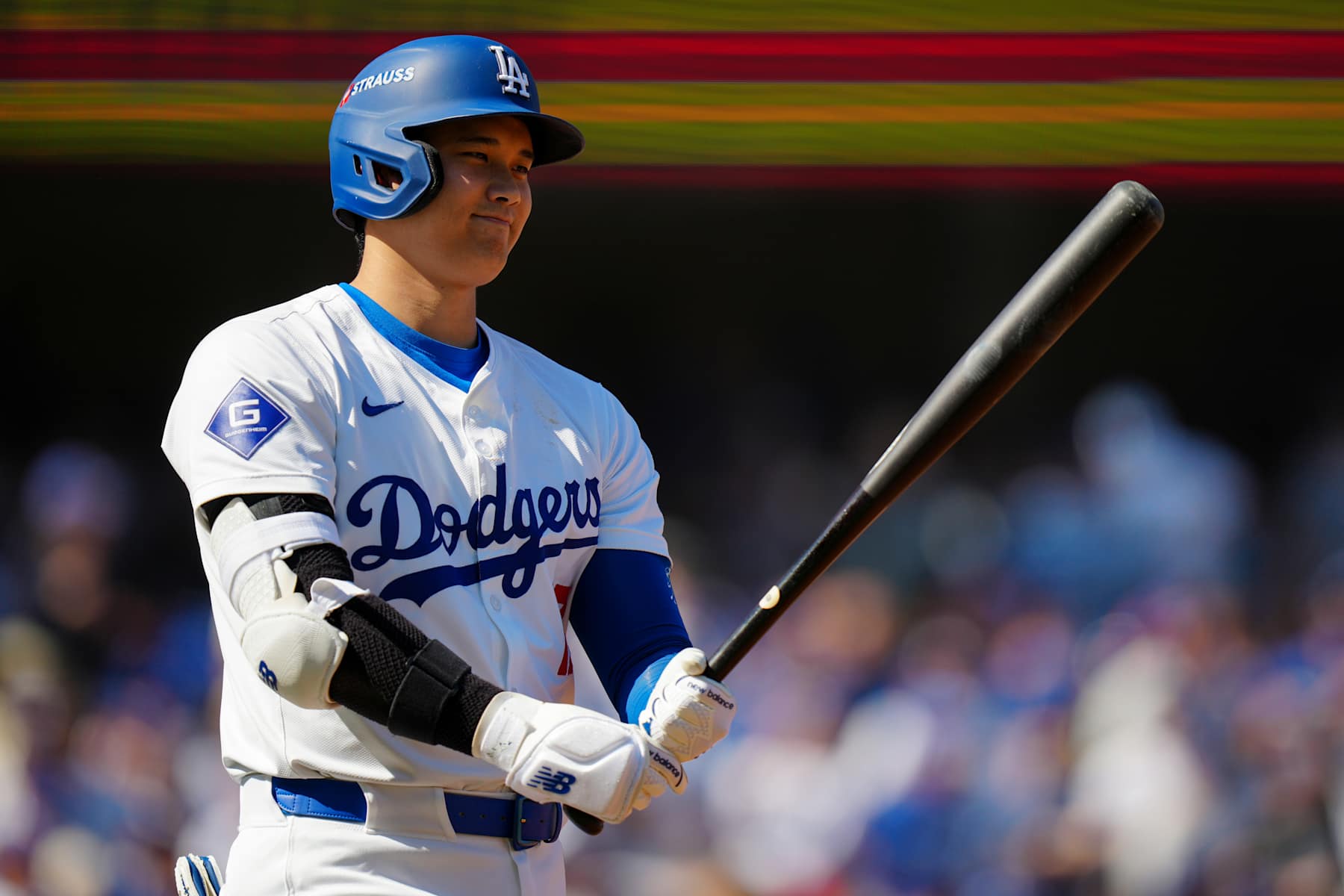
By winning his fourth AP Male Athlete of the Year award, Ohtani tied LeBron James and Tiger Woods — names that define entire eras of sport. The comparison isn’t symbolic. It’s statistical. It’s historical. It’s unavoidable.
“This is truly special,” Ohtani said after the announcement. But in classic fashion, he didn’t linger on the moment. He made his intentions clear: he’s chasing a fifth.
That pursuit should send a chill through every opponent — and every rival sport.
Media reaction was swift and unanimous. Outlets across the world echoed the same sentiment. Yahoo Sports put it plainly, calling Ohtani “the best athlete on the planet” for 2025.
Not the best baseball player.
Not the best two-way player.
The best athlete. Period.
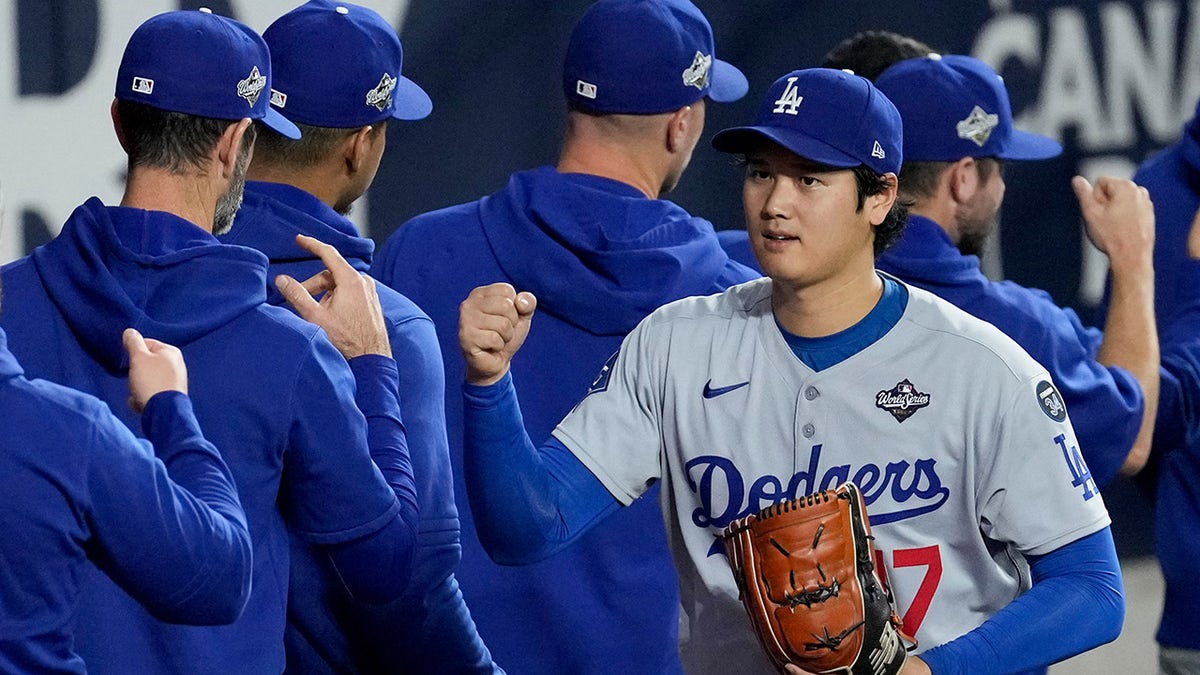
In an age where athletes are increasingly protected, limited, and optimized for singular roles, Ohtani stands apart. He plays every game like an argument — against limits, against labels, against history itself.
That may be the most unsettling part.
Ohtani is still active. Still healthy. Still evolving. And still surrounded by a Dodgers roster built to win now — and keep winning.
The awards will keep coming. The comparisons will grow louder. The expectations will rise.
But if 2025 proved anything, it’s this: Shohei Ohtani isn’t chasing history anymore. He’s rewriting it in real time.
And if this was the year that crowned him king of all sports, the rest of the world is left with one unavoidable question:
What happens if he’s not done yet?
Leave a Reply