In a bold move that could reshape global trade dynamics, Turkey has launched the ambitious Canal Istanbul project, aiming to alleviate the congested Bosphorus Strait. This mega-canal, cutting through Istanbul, raises urgent geopolitical concerns, as it could shift the balance of power in the Black Sea region and beyond.
 President Recep Tayyip Erdogan’s vision to carve a new waterway is not just about easing maritime traffic; it’s a strategic endeavor that could redefine Turkey’s influence over vital shipping routes. The Bosphorus, a historic choke point, currently handles nearly 43,000 vessels annually, making it one of the busiest maritime corridors on Earth.

Critics warn that the canal, set to stretch 45 kilometers, threatens the delicate ecological balance of Istanbul and its surrounding areas. Environmentalists fear potential disasters, including contamination of freshwater reservoirs and disruption of marine life. The project has sparked fierce debates, with over 80% of Istanbul residents reportedly opposing it.
 The stakes are enormous: control over the canal could grant Turkey unprecedented leverage in the geopolitical arena, particularly concerning NATO and Russian naval movements. As tensions rise globally, the canal may serve as a new strategic asset, allowing Turkey to dictate shipping terms and military access in the Black Sea.
Erdogan’s project, framed as a fulfillment of centuries-old dreams, faces significant hurdles. Legal, environmental, and political challenges threaten to stall its progress. The Istanbul Metropolitan Municipality has raised alarms about the engineering risks, including the potential for catastrophic failures during earthquakes, a looming concern in the seismically active region.
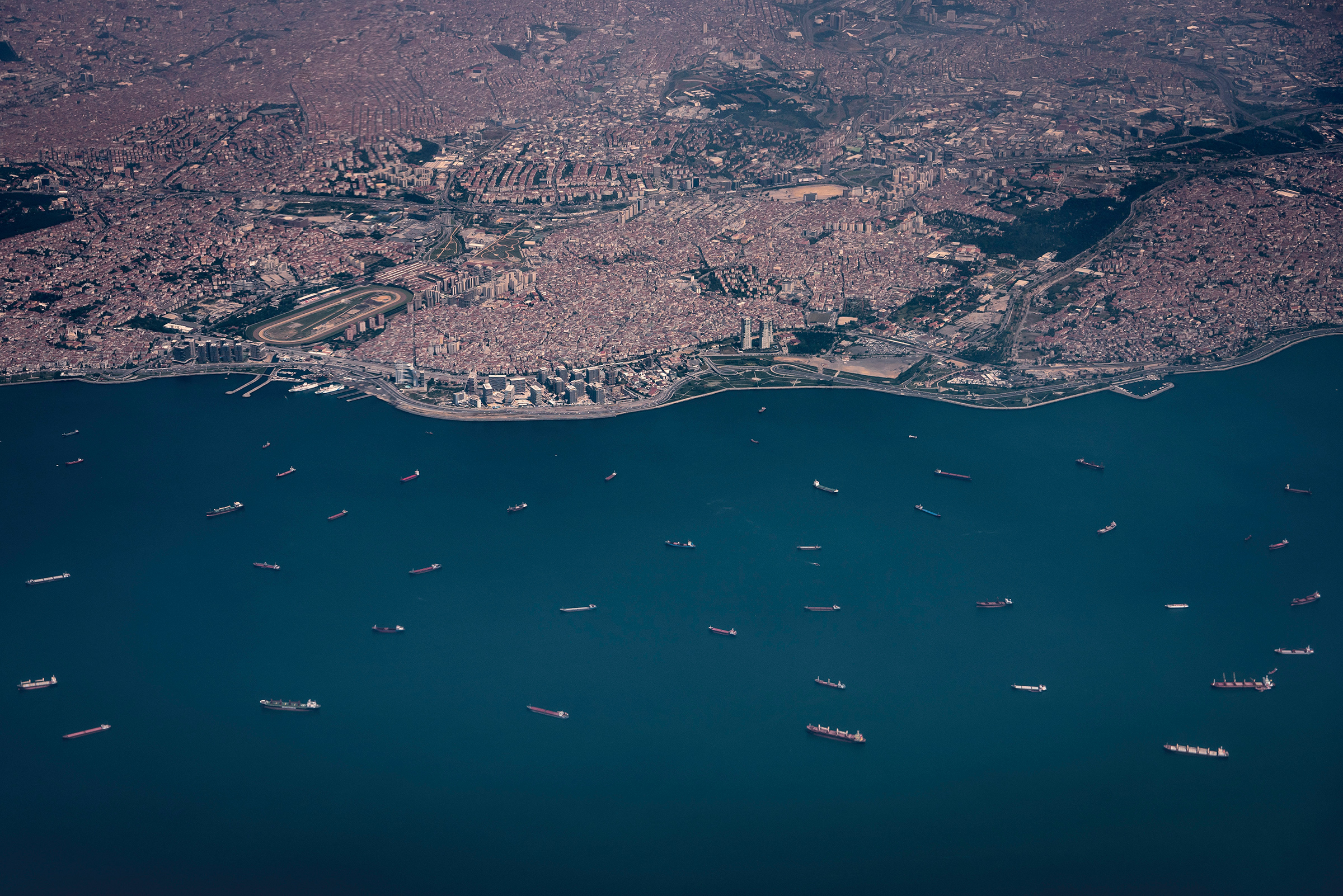
While proponents tout the economic benefits of the canal, including job creation and urban development, critics argue that the project prioritizes political ambition over public welfare. The potential for increased urbanization raises fears of overpopulation and resource strain, exacerbating existing issues in a city already grappling with infrastructure challenges.
 As construction begins, the world watches closely. The implications of Canal Istanbul extend far beyond Turkey, potentially reshaping trade routes and alliances. The question remains: will this mega-project be a transformative leap forward or a dangerous gamble with far-reaching consequences?
With global shipping patterns in flux and environmental concerns mounting, the future of Canal Istanbul hangs in the balance. As Turkey pursues this audacious dream, the ripple effects could redefine not just its own destiny but the geopolitical landscape of the entire region.
Leave a Reply