
Phantom School, Real Football: The Bishop Sycamore Scandal
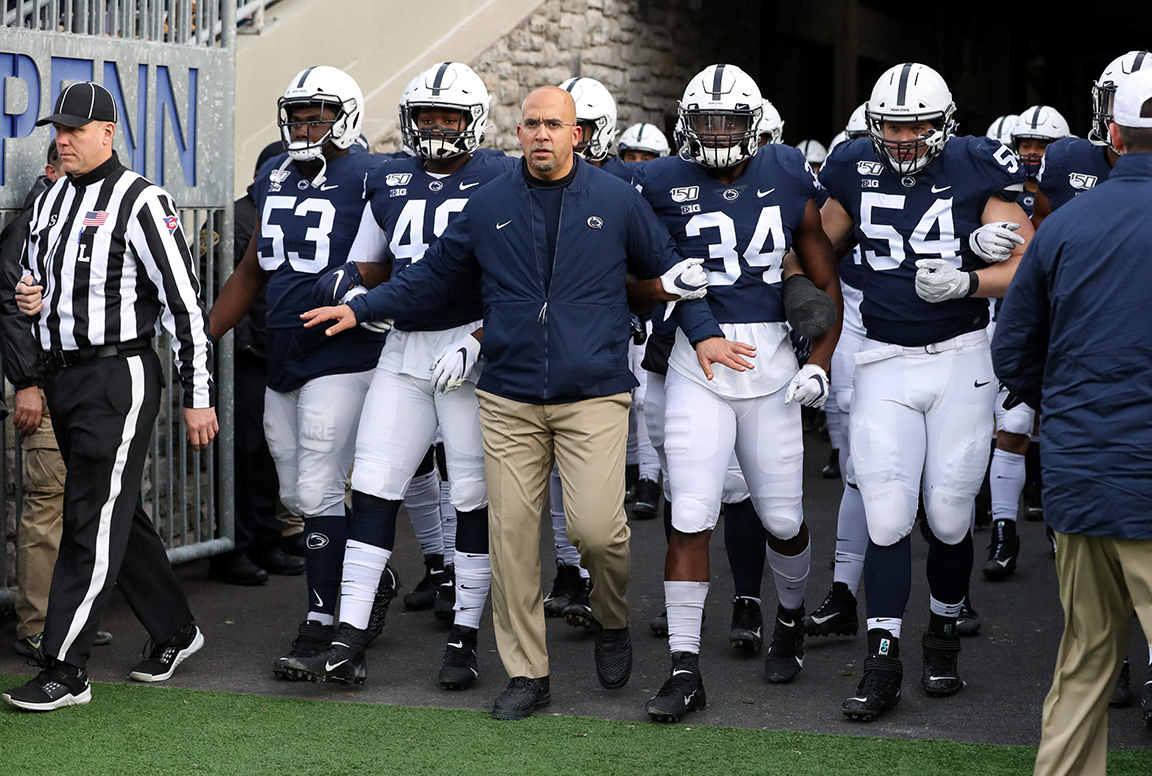
In the fall of 2021, a high school football game captured national attention for reasons far beyond the final score. The matchup between Bishop Sycamore High School and IMG Academy was hyped as a battle of powerhouse programs. Fans tuned in expecting a thrilling contest, only to witness a shocking revelation: Bishop Sycamore wasn’t a real school—at least, not in any conventional sense. What followed was one of the strangest, most bewildering scandals in American sports history.

The Game That Shocked the Nation
The game aired on ESPN, a major sports network, giving Bishop Sycamore a platform few high schools ever receive. Their opponents, IMG Academy, were a nationally ranked program producing elite athletes destined for college and professional football. Observers expected a competitive game. Instead, they watched Bishop Sycamore’s players struggle to execute basic plays, miscommunicate on the field, and repeatedly fall behind. By halftime, the outcome seemed obvious: Bishop Sycamore was completely outmatched.
As the game progressed, questions began to circulate. Who were these players? Where was their school? How did they end up on national television against a premier program? For many fans, the realization came gradually: Bishop Sycamore didn’t exist in any traditional sense of a high school.

Uncovering the Truth
Investigations revealed that Bishop Sycamore was more of a football brand than an educational institution. The “school” operated out of temporary locations, often using addresses that were residential homes or unrelated businesses. Many players were allegedly recruited from across the country, some as young as 14, to compete under the Bishop Sycamore name. There was no formal curriculum, no accredited program, and in some cases, players were misled about the purpose of the team.
The situation sparked intense scrutiny. ESPN and other media outlets came under fire for airing a game involving a non-existent school, raising ethical questions about the responsibility of broadcasters in verifying the legitimacy of programs they feature. Parents, players, and coaches described feeling deceived and, in some cases, exploited.
Exposing the Leadership
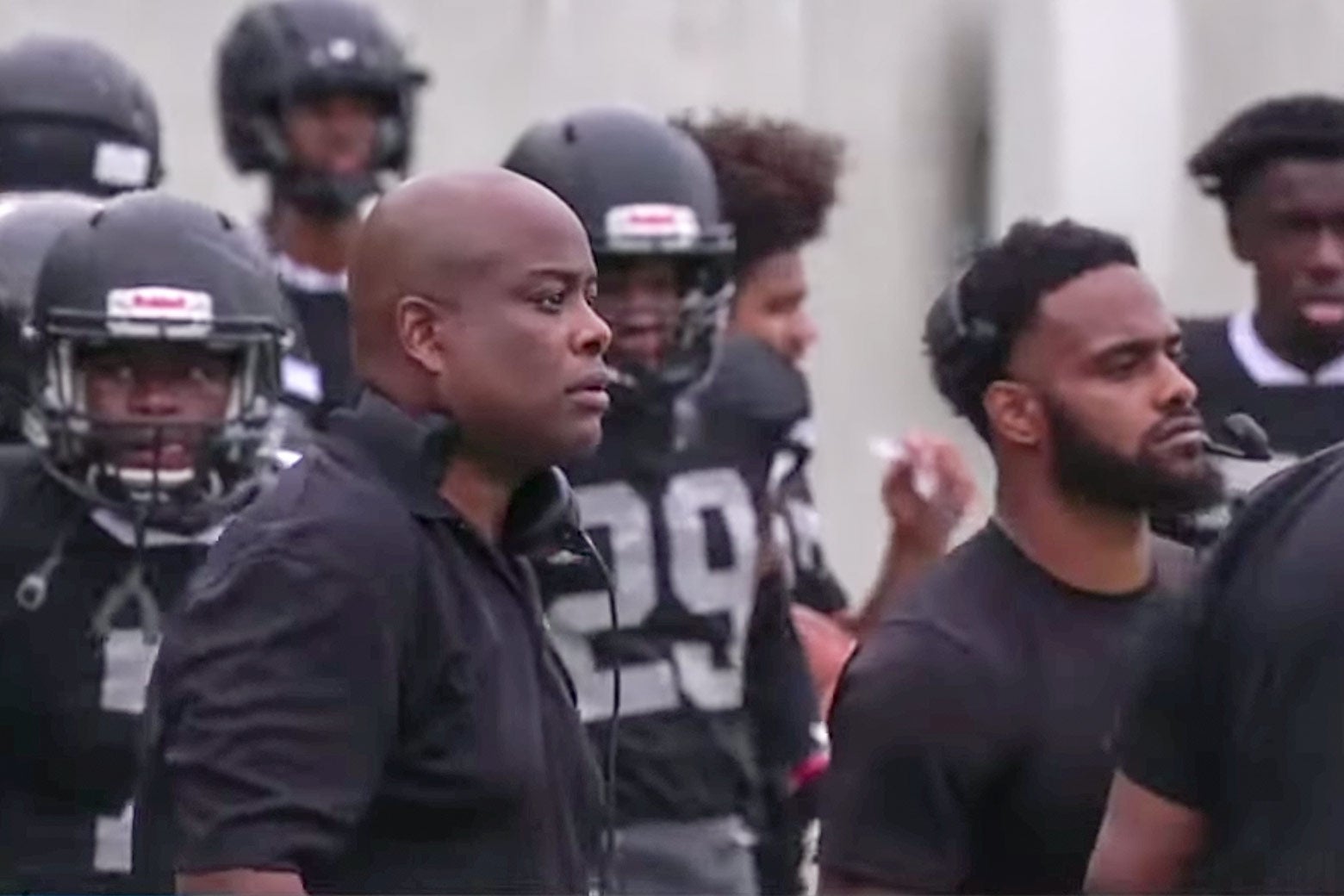
At the center of the controversy was Roy Johnson, the man presenting himself as Bishop Sycamore’s principal and head coach. Reports painted a picture of a man more interested in visibility and profit than in developing young athletes. Former players alleged poor living conditions, misleading promises about exposure to college scouts, and chaotic organization. Many athletes felt they were used as pawns for a spectacle rather than being genuinely supported in their athletic or academic pursuits.
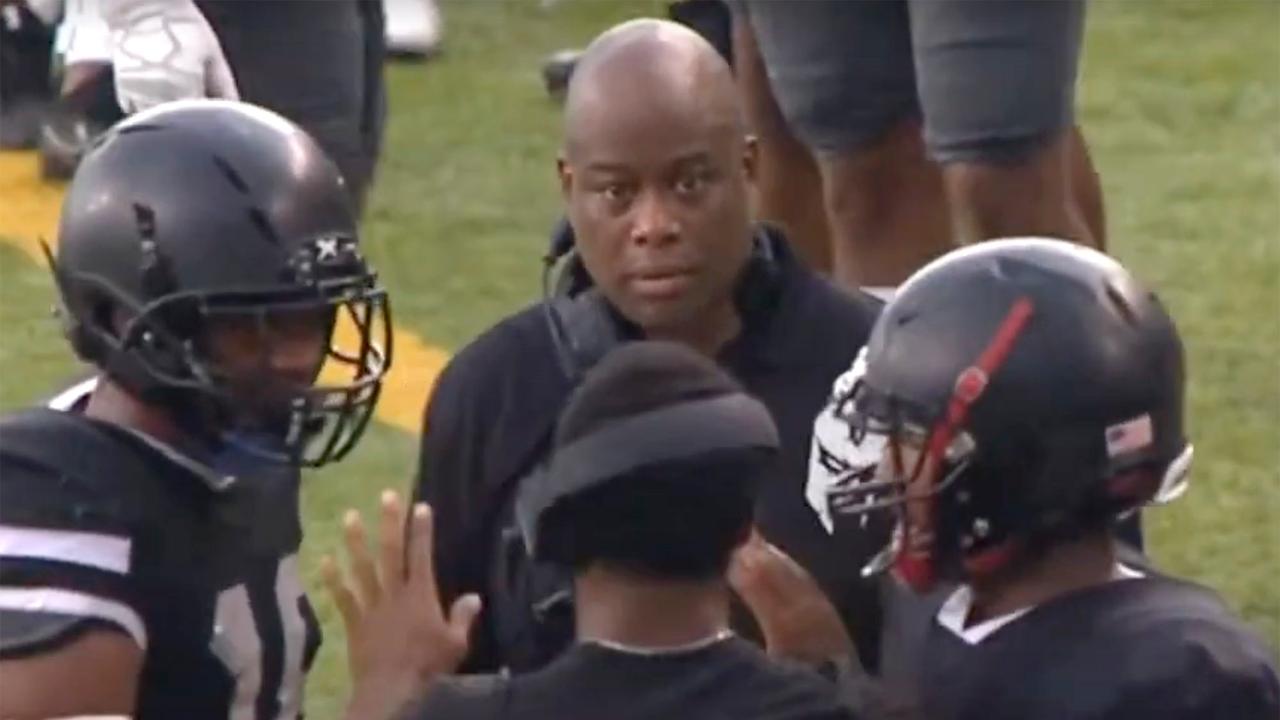
Authorities and sports analysts questioned how such a program could operate undetected for so long. Unlike traditional high schools, Bishop Sycamore did not participate in a standard athletic conference or adhere to governing regulations, making oversight difficult. Its sudden appearance on national television only amplified the scandal.
The Fallout
The fallout was swift. ESPN issued apologies, emphasizing that they had believed Bishop Sycamore to be a legitimate program. High school athletic associations launched investigations into how such a team could schedule games with legitimate schools. Meanwhile, the broader sports community grappled with the vulnerability of young athletes and the blurred line between ambition and exploitation.
Bishop Sycamore’s players faced mixed emotions. Some were grateful for the exposure, despite the chaos. Others were embarrassed, frustrated, or even traumatized by the experience. For many, it was a stark lesson in due diligence, trust, and the pressures of competitive sports.
A Cautionary Tale
The Bishop Sycamore saga serves as a reminder that in the world of youth sports, not everything is as it appears. Ambition and hype can sometimes mask deception, and even established media platforms can be caught off guard. While football itself remained the same—the hard hits, strategic plays, and community spirit—the context surrounding Bishop Sycamore highlighted a disturbing undercurrent in the pursuit of athletic glory.
In the end, the story is both surreal and sobering. Bishop Sycamore wasn’t a school, but the consequences for the players, coaches, and institutions involved were very real. It forced sports fans, parents, and media professionals to rethink assumptions about legitimacy, oversight, and the ethics of high-profile exposure in youth athletics.
The question now lingers: How many more “phantom schools” exist in the shadows, waiting for a moment in the spotlight? For American football, the answer may remain uncertain—but Bishop Sycamore has already secured its place in the annals of sports infamy.
Leave a Reply