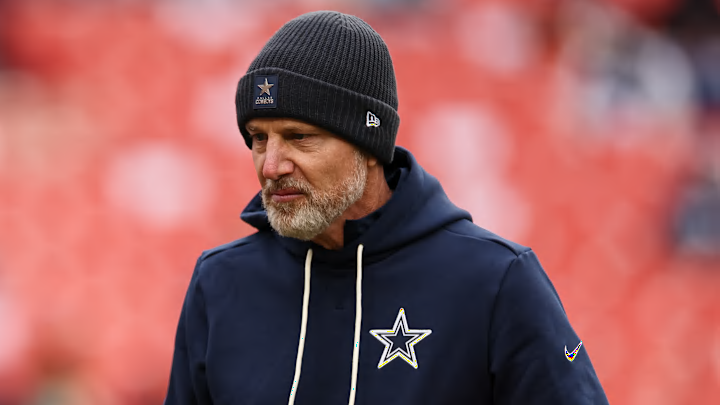
Will This Be Matt Eberflus’ Final Game as the Dallas Cowboys’ Defensive Coordinator?
With one game remaining in the regular season, the Dallas Cowboys find themselves facing a question that goes beyond playoff positioning or pride: is Matt Eberflus coaching his final game as defensive coordinator?
The statistics alone tell a harsh story. Through 16 games, the Cowboys’ defense has allowed more than 6,000 total yards and a franchise-record 477 points, numbers that stand in stark contrast to the expectations placed on the unit at the start of the season. For a team built around championship aspirations, the defensive collapse has become the defining narrative of 2025.
A Season That Slipped Away
When the season began, Eberflus was viewed as a steady hand—an experienced defensive mind capable of maximizing talent and maintaining discipline. Early optimism suggested Dallas would once again lean on its defense to complement a high-powered offense.
Instead, consistency never arrived.
Week after week, opposing offenses moved the ball with alarming ease. Explosive plays became routine. Third-down stops were scarce. Red-zone resistance all but disappeared. By midseason, the Cowboys were no longer debating whether the defense was elite—but whether it was serviceable.
The Numbers That Changed the Conversation
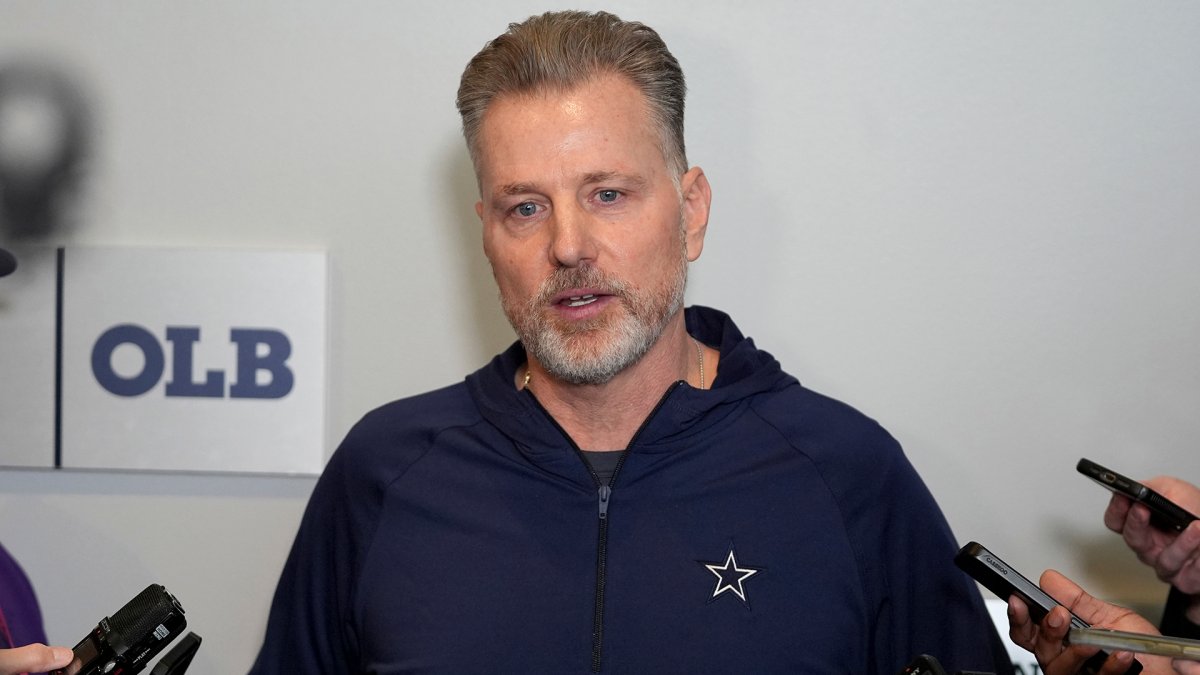
Allowing 477 points is not just a bad season—it is historically bad by Cowboys standards. Dallas has prided itself for decades on defensive excellence, from the Doomsday units to modern playmakers who thrived on speed and turnovers.
This year’s defense struggled to embody any of that identity.
Analysts point out that the raw totals are only part of the problem. The Cowboys ranked near the bottom of the league in points allowed per drive, explosive plays conceded, and late-game defensive efficiency.
“These aren’t just bad breaks,” one former NFL defensive coach said. “They’re systemic issues.”
Injuries or Scheme?
Supporters of Eberflus argue that injuries and roster turnover played a significant role. The Cowboys dealt with key absences at all three levels of the defense, forcing constant adjustments and unfamiliar combinations.
But critics counter that every team deals with injuries—and elite coordinators adapt.
Too often, Dallas appeared predictable. Coverage busts recurred. Blitzes failed to generate pressure. Adjustments came late, if at all.
For fans, patience wore thin.
Jerry Jones’ Silence Speaks Volumes
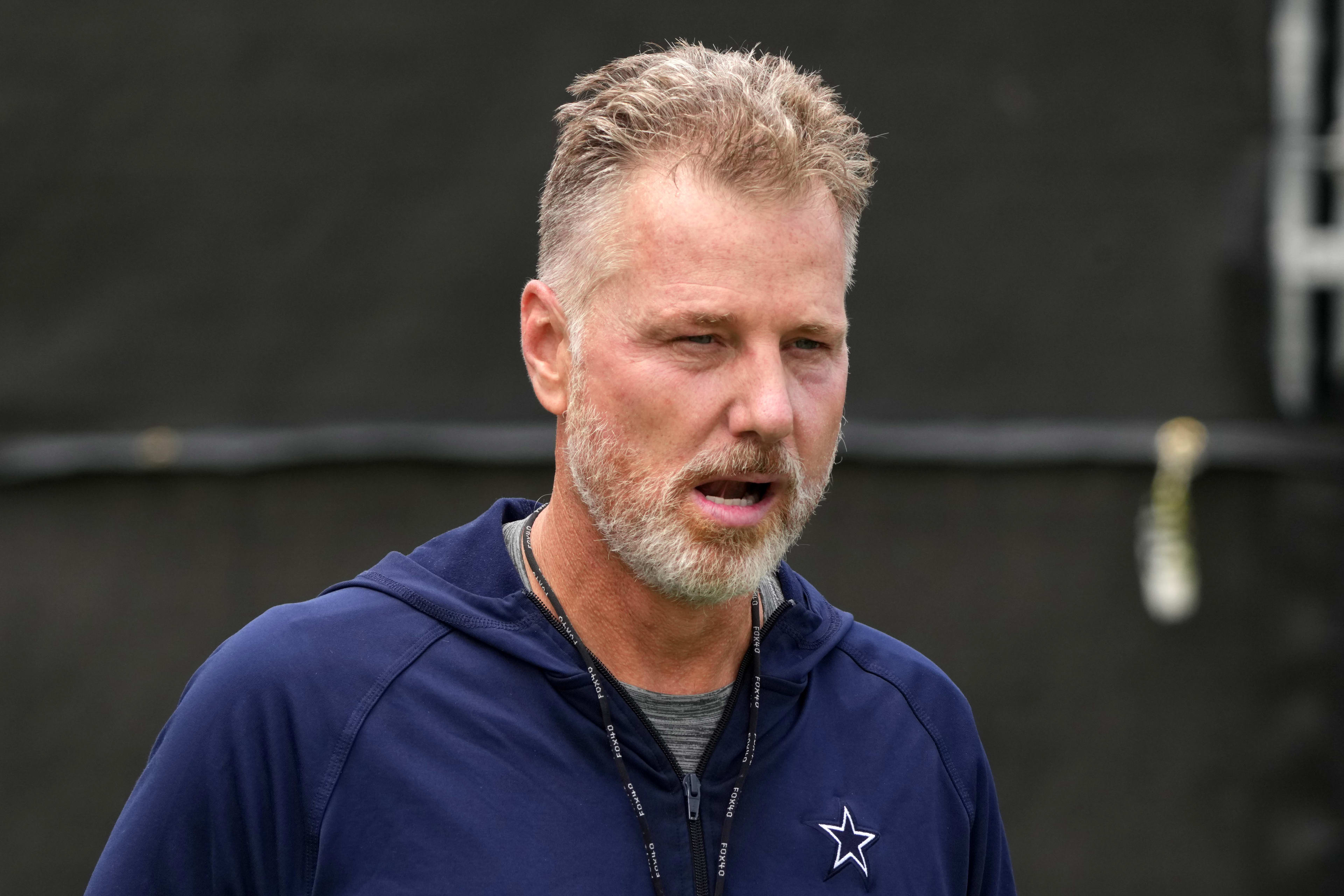
Owner Jerry Jones has not publicly committed to Eberflus’ future, and that silence has fueled speculation. Jones has historically been loyal to his coaches—until he isn’t.
When defensive struggles reach this scale, change becomes almost inevitable.
“Jerry watches trends,” one league insider said. “And this trend is hard to defend.”
What Week 18 Represents
The final game now carries symbolic weight.
If the Cowboys’ defense shows resilience—tight coverage, improved communication, and visible adjustments—it could offer Eberflus a small but meaningful lifeline. If the same problems resurface, the conclusion may already be written.
For players, the game is also an audition. Coaching changes often bring scheme shifts, and no one wants to enter the offseason labeled as part of the problem.
Fans Have Already Decided
On social media, the verdict seems clear. Many fans believe the numbers alone justify a change, regardless of how Week 18 unfolds.
“You don’t set franchise records for points allowed and keep your job,” one fan wrote.
Others urge caution, arguing that instability only deepens long-term problems.
Still, the frustration is unmistakable.
What Comes Next for Dallas?
If Eberflus is dismissed, the Cowboys would enter the offseason searching for yet another defensive identity—no small task for a roster built to win now. A new coordinator could bring fresh ideas, but also risk another transitional year.
For a franchise desperate to maximize its championship window, that uncertainty looms large.
The Final Whistle
Whether Week 18 marks the end or merely another chapter, Matt Eberflus’ tenure in Dallas will be remembered for its contrast between promise and production. The expectations were high. The results were not.
As the Cowboys prepare to take the field one last time this season, the stakes extend far beyond the scoreboard.
Because when the final whistle blows, the most important decision may come not from the field—but from the owner’s box.
And that decision could reshape the Cowboys’ defense for years to come.
Leave a Reply